You Won’t Believe What I Found in Madurai — A Cultural Journey Like No Other
Madurai isn’t just a city — it’s a living, breathing temple of culture, where every alley hums with history and devotion. I went expecting ancient architecture; I found soul-stirring music, vibrant rituals, and flavors that blew my mind. From the legendary Meenakshi Amman Temple to hidden street food gems, this is real India — raw, authentic, and unforgettable. If you're chasing culture that sticks with you long after you leave, Madurai should be next on your list. Trust me, this place changes how you see the world.
Heartbeat of Heritage: Stepping Into Madurai’s Soul
Arriving in Madurai feels less like entering a city and more like stepping into a timeless rhythm. The air carries the scent of jasmine garlands, sandalwood paste, and freshly ground coffee. Auto-rickshaws weave through narrow lanes lined with flower vendors, spice stalls, and families making their way to morning prayers. Bells chime in the distance, mingling with the call to worship from nearby temples and the cheerful banter of shopkeepers opening their doors. This sensory tapestry is not staged for tourists — it’s the daily life of a city that has thrived for over 2,500 years, making it one of the oldest continuously inhabited urban centers in the world.
Madurai holds a revered place in South Indian culture, not only as a religious epicenter but as a symbol of Tamil identity and pride. Located in the southern part of Tamil Nadu, it has long served as a hub for art, literature, and spiritual practice. Ancient Tamil texts, including the Sangam literature, celebrate Madurai as a city of scholars and sages. Once the capital of the Pandya dynasty, it flourished as a center of trade, governance, and temple architecture. Its historical significance is evident in the way tradition permeates every aspect of life — from the way people greet each other with folded hands to the intricate kolams (rangoli) drawn daily at doorsteps.
What sets Madurai apart is its living heritage. Unlike cities where history is preserved behind glass cases, here, culture breathes. Temples are not museums but active centers of community life. The streets are not just thoroughfares but stages for daily rituals, festivals, and intergenerational exchanges. For a traveler, especially one seeking depth and authenticity, Madurai offers a rare window into a world where the past is not remembered — it is lived. This is not a destination for passive observation; it invites participation, respect, and presence.
Meenakshi Amman Temple: More Than Just Stone and Sculpture
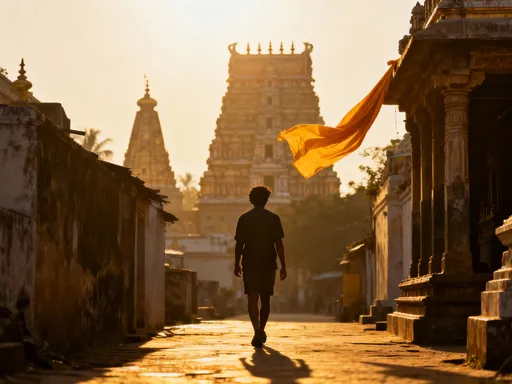
The Meenakshi Amman Temple is the soul of Madurai, a sprawling complex that occupies 14 acres in the heart of the city. Its towering gopurams — ornate gateway towers adorned with thousands of brightly painted sculptures — rise like mountain peaks above the skyline. Each of the 14 gopurams tells a story from Hindu mythology, depicting gods, demons, celestial dancers, and divine animals in vivid detail. The tallest, the southern tower, stands at over 170 feet and is visible from miles away, guiding pilgrims like a beacon of faith.
Entering through the eastern gateway, visitors are immediately immersed in a world of movement and devotion. The sound of bells, chanting priests, and the rhythmic beat of traditional drums fill the air. The scent of incense and camphor lingers as devotees walk barefoot across cool stone floors, many carrying offerings of flowers, coconuts, or milk. The temple’s layout follows traditional Dravidian architecture, with concentric courtyards leading to the inner sanctums of Goddess Meenakshi and her consort, Lord Sundareshwar (a form of Shiva). The golden hall, or Potramarai Kulam, surrounds a sacred lotus pond where rituals are performed and reflections of the temple shimmer like a dream.
What makes this temple extraordinary is that it is not a monument frozen in time — it is a living, breathing place of worship. Daily rituals, known as pujas, follow a strict schedule that begins before dawn and continues into the night. The morning ablution of the deities, the midday procession, and the final closing of the sanctum are all accompanied by music, chanting, and elaborate ceremonies. Visitors are welcome to witness these rituals, though participation requires modest dress and adherence to temple etiquette. Shoes must be removed, and photography is often restricted in sacred areas to maintain reverence.
For many, the emotional peak comes during the evening aarti, when lamps are lit and priests wave flames before the deities in a synchronized dance of devotion. The sight of hundreds of hands raised in prayer, the glow of oil lamps, and the resonance of sacred hymns create a moment of profound stillness — a rare experience of collective peace. This is not tourism; it is witnessing faith in its purest form. The Meenakshi Temple is not just a place to see — it is a place to feel, to reflect, and to remember what it means to be part of something greater.
Living Culture: Festivals, Music, and Daily Traditions
One of the most powerful ways to experience Madurai’s culture is through its festivals, the most famous being the Chithirai Festival, held annually in April. Lasting over two weeks, this celebration reenacts the divine marriage of Goddess Meenakshi to Lord Sundareshwar, drawing hundreds of thousands of pilgrims and visitors. The city transforms into a stage: temple chariots are pulled through the streets, dancers in elaborate costumes perform mythological scenes, and processions wind through the bazaars accompanied by drummers, priests, and ecstatic devotees. The final wedding ceremony, held within the temple complex, is a spectacle of light, sound, and devotion that leaves even the most reserved observer moved.
Even outside festival season, daily life in Madurai pulses with cultural expression. Morning and evening temple processions are common, with deities carried on ornate palanquins or golden chariots. These rituals are not performances — they are acts of worship believed to bring divine presence into the community. As the idols pass by, families rush to the streets to offer flowers and prayers, children wave small flags, and elders bow in reverence. The atmosphere is electric yet serene, a blend of joy and solemnity that captures the essence of South Indian spirituality.
Music is another vital thread in Madurai’s cultural fabric. The corridors of the Meenakshi Temple often echo with Carnatic music, a classical South Indian tradition known for its intricate melodies and devotional lyrics. Local musicians, some of them students or teachers from nearby conservatories, perform during temple hours or at cultural events. In the evenings, small gatherings in community halls or temples offer free concerts, where listeners sit on the floor, eyes closed, absorbed in the raga. For visitors, attending one of these performances is not just entertainment — it is a chance to witness art as prayer, music as meditation.
Everyday customs also reflect deep cultural roots. Women often wear traditional sarees, their hair adorned with jasmine flowers. Men may wear dhotis, especially during temple visits. The practice of touching the feet of elders, the use of Tamil greetings like “Vanakkam,” and the daily preparation of offerings at home altars all show how tradition is woven into the fabric of ordinary life. In a world where globalization often erases local identity, Madurai stands as a testament to the power of cultural continuity — not as a relic, but as a living, evolving way of being.
Taste of Tradition: Eating Like a Local in Madurai
No cultural journey is complete without tasting its soul — and in Madurai, that soul is found in its food. Breakfast is sacred here, and the day begins with steaming plates of idli, soft fermented rice cakes served with coconut chutney and spicy sambar. Dosas, thin crispy crepes made from lentil and rice batter, are equally beloved, often enjoyed with potato masala and a side of tangy tomato chutney. But what truly sets Madurai apart is its use of jaggery — unrefined cane sugar — which gives many dishes a warm, caramel-like sweetness uncommon in other parts of India.
For the adventurous eater, street food around the temple and market areas offers unforgettable flavors. Try the Madurai kothu parotta, a chopped flatbread stir-fried with egg, onions, and spices, served piping hot from a metal griddle. Another local favorite is the muttaiparotta, a rich egg-stuffed parotta often eaten during celebrations. And no visit is complete without a cup of authentic South Indian filter coffee — strong, aromatic, and sweetened with milk and sugar, served in a stainless steel tumbler and dabarah. This coffee isn’t just a drink; it’s a ritual, often shared during morning conversations or after temple visits.
Eating in Madurai comes with a few important guidelines. First, always choose busy stalls with high turnover — a sign of freshness and hygiene. Drink only bottled or filtered water, and avoid ice unless you’re certain of its source. Many street vendors now use disposable plates made from banana leaves, which are both eco-friendly and traditional. When invited to a local home, accept food with your right hand — the left is considered unclean in traditional settings. And remember, meals are often eaten sitting on the floor, a practice believed to aid digestion and promote mindfulness.
Food in Madurai is more than sustenance — it is an act of community and devotion. Many temples offer free meals, or prasadam, to all visitors, reinforcing the idea that no one should go hungry. During festivals, large communal kitchens prepare thousands of meals daily, cooked and served by volunteers. Sharing food is a sacred gesture, a way of building connection and expressing generosity. For travelers, embracing these customs — whether by trying a new dish or accepting a cup of coffee from a stranger — is a direct path to understanding the warmth and openness of Madurai’s people.
Off-the-Beaten-Path: Hidden Corners Beyond the Guidebooks
While the Meenakshi Temple draws the crowds, the true depth of Madurai reveals itself in its quieter corners. A short walk from the temple’s northern gate leads to the Pazhamudircholai Murugan Temple, nestled in a peaceful grove. Smaller and less visited, it offers a chance to experience devotion without the crush of tourists. Similarly, the Koodal Azhagar Temple, dedicated to Lord Vishnu, stands as a reminder of the city’s diverse spiritual landscape. Its elegant architecture and serene atmosphere make it a favorite among locals seeking quiet reflection.
For historical insight, the Gandhi Memorial Museum, housed in a former palace, offers a thoughtful look at Mahatma Gandhi’s life and principles. The exhibits include personal belongings, photographs, and interactive displays that connect his teachings to modern values. Nearby, the Thirumalai Nayakkar Palace, built in the 17th century, showcases Indo-Saracenic architecture with grand domes, arched columns, and a breathtaking central courtyard. Though partially in ruins, ongoing restoration efforts have preserved its grandeur, and the evening sound-and-light show brings its history to life in a captivating way.
Some of the most rewarding experiences come from simply wandering. The lanes behind the market teem with artisans — women weaving garlands of marigolds and jasmine, potters shaping clay lamps, and painters creating intricate temple art. A visit to a local flower market at dawn reveals the city’s devotion in full bloom, as thousands of blossoms are prepared for temple offerings. Speaking with vendors, many of whom have worked in the same spot for decades, offers glimpses into family histories and community bonds that span generations.
Slowing down is key to discovering these hidden layers. Sitting on a bench near the temple tank, watching priests perform rituals, or sharing a cup of tea with a local shopkeeper can yield more insight than any guidebook. These moments of stillness allow the rhythm of Madurai to settle into your bones. They remind you that travel is not just about seeing sights — it’s about connecting with people, places, and traditions in a way that changes you from within.
Getting Around: Practical Tips for a Smooth Cultural Immersion
Planning a visit to Madurai requires thoughtful preparation, but the rewards far outweigh the effort. The best time to visit is between October and March, when temperatures are milder and the weather is dry. These months also coincide with several cultural events, including the Pongal harvest festival in January, offering a rich experience of local traditions. If you’re aiming to witness the Chithirai Festival, plan your trip for April, but book accommodations early — the city fills up quickly during major events.
Getting around Madurai is relatively easy. Auto-rickshaws are the most common form of transport and can be hailed on the street or booked through apps. Always agree on a fare before starting your journey, or insist on using the meter. Local buses are affordable and connect major sites, though they can be crowded. For those who enjoy walking, the area around the Meenakshi Temple is pedestrian-friendly, with shaded pathways and frequent rest spots. However, be mindful of the heat — summer temperatures can exceed 40°C (104°F), so carry water, wear a hat, and plan indoor activities during peak afternoon hours.
Respectful behavior goes a long way in Madurai. When visiting temples, dress modestly — women should wear sarees, salwar kameez, or long skirts, and men should wear shirts and trousers or dhotis. Avoid revealing clothing, as it may be seen as disrespectful. Photography is permitted in outer areas, but always ask for permission before photographing people, especially during rituals. In sacred spaces, refrain from using flash or standing in prayer areas. Most importantly, approach every interaction with humility and curiosity — a smile and a simple “Vanakkam” can open doors to meaningful connections.
Accommodation options cater to a range of preferences and budgets. Heritage guesthouses, often converted colonial or traditional homes, offer charm and character, with personalized service and cultural insights from hosts. Mid-range hotels provide comfort and convenience, many within walking distance of the temple. Budget travelers can find clean, safe lodges in the market district. For a truly immersive experience, consider staying in a homestay, where families welcome guests into their homes, share meals, and offer firsthand knowledge of local life.
Why Madurai Stays With You — And Why It Should
Leaving Madurai is not like leaving other cities. The noise, the colors, the devotion — they linger. Long after the journey ends, you find yourself remembering the sound of temple bells at dusk, the warmth of a stranger’s smile, the taste of jaggery-sweetened snacks eaten on a roadside stool. This is not a place you simply visit; it is a place that visits you — in your thoughts, your dreams, your understanding of what it means to be human.
In an age where travel often feels transactional — checklists, selfies, fast itineraries — Madurai offers something rare: authenticity. Here, culture is not packaged for consumption. It is lived, breathed, and passed down with pride. There are no artificial recreations, no staged performances for tourists. What you see is real — the daily prayers, the handmade offerings, the generations of families tending to the same temple rituals. This honesty is what makes the experience so powerful.
Madurai also teaches the value of presence. In a world of constant distraction, the city invites you to slow down, to observe, to participate with intention. Whether you’re lighting a lamp in the temple, listening to a Carnatic raga, or sharing a meal with a local family, you are not a spectator — you are part of the moment. This shift from observation to participation is what transforms a trip into a journey of the soul.
To those considering a visit, know this: Madurai does not promise luxury or convenience. It promises depth. It asks for respect, openness, and a willingness to step outside your comfort zone. But in return, it offers a rare gift — the chance to connect with a culture that has endured for millennia, not because it resists change, but because it knows the value of what it holds dear. If you seek a journey that changes how you see the world, that reminds you of the beauty of tradition, community, and faith, then Madurai is not just a destination. It is a calling. Answer it — and let the heartbeat of heritage become part of your own.