Wandering Through Wales: Where Every Bite Tells a Story
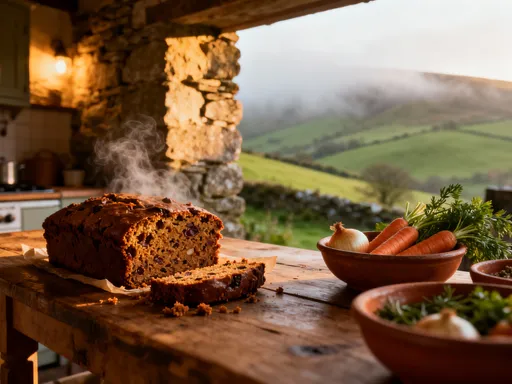
You know that feeling when you stumble upon a tiny village bakery in the Welsh hills and bite into a warm, buttery bara brith that tastes like your grandmother’s kitchen—except you didn’t even know you had Welsh grandparents? That’s Wales for you. It’s not just the misty mountains or ancient castles; it’s the food, woven into every market, farm, and seaside town. I went wandering with no real plan, and found a culture where recipes are passed down like heirlooms and lamb grazes on slopes that haven’t changed in centuries. This is a country where a simple meal carries generations of history, where the sea shapes what’s on the plate, and where every bite feels like a quiet conversation with the land itself. To taste Wales is to understand it.
The Soul of Welsh Food: More Than Just Cawl
Welsh cuisine is not born from extravagance, but from necessity and deep respect for the land. For centuries, the rugged terrain and unpredictable weather shaped a food culture built on preservation, resourcefulness, and seasonal rhythm. At the heart of this tradition stands cawl, a slow-simmered stew of lamb, leeks, potatoes, carrots, and sometimes swede, which varies slightly from household to household. Often served with a thick slice of buttered bread, cawl is more than a meal—it’s a symbol of warmth, resilience, and family. Many families still prepare it on Sundays, following recipes handed down through generations, some written in faded ink on yellowed index cards stored in kitchen drawers.
Equally emblematic is laverbread, not a bread at all but a savory paste made from laver, a type of edible seaweed gathered along the rocky coasts of South and West Wales. After being boiled for hours and finely chopped, it’s often rolled in oatmeal and fried, commonly served as part of a traditional Welsh breakfast alongside cockles and bacon. Though it may sound unusual to the uninitiated, its briny depth speaks directly to Wales’ long relationship with the sea. This connection between environment and diet is not romanticized—it is lived, every day, in kitchens across the country.
Welsh cakes, too, are a testament to culinary thrift and comfort. These griddle-baked, spiced treats—made with flour, butter, currants, and a hint of nutmeg or cinnamon—are cooked on a bakestone, a flat iron plate once central to every farmhouse kitchen. Their golden-brown finish and soft, cake-like interior make them a favorite with children and adults alike. Sold at village fetes, farmers’ markets, and roadside stalls, they are often still made using the same methods as 150 years ago. What unites these dishes—cawl, laverbread, Welsh cakes—is not just flavor, but a shared philosophy: food should nourish, endure, and reflect the place it comes from.
Off the Beaten Path: Markets and Local Producers
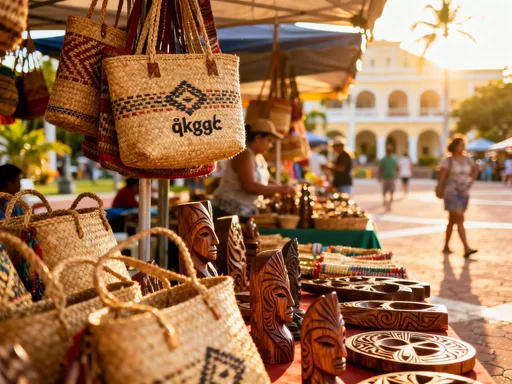
To truly taste Wales, one must wander beyond the guidebook highlights and into its bustling local markets. These are not curated tourist experiences but living hubs of community life, where farmers, bakers, and artisans gather every week to sell what they’ve grown, baked, or crafted. In Hay-on-Wye, famed for its bookshops, a Saturday market unfurls beneath a slate-gray sky, filled with wooden stalls piled high with organic vegetables, free-range eggs, and hand-churned butter. The air carries the scent of woodsmoke and freshly baked sourdough, mingling with the damp earth rising from nearby fields.
Further west, in the market town of Machynlleth, the weekly farmers’ market draws crowds from across mid-Wales. Here, visitors might meet Elin, a third-generation cheesemaker from the foothills of the Cambrian Mountains, who uses raw milk from her own herd to produce a creamy, tangy Caerphilly—distinct from its English counterpart, with a moister texture and more pronounced acidity. Her cheese, aged in a stone cellar cooled by natural spring air, has won accolades at national competitions, yet she remains committed to small-batch production, selling mostly within a 30-mile radius.
Equally compelling is the cider maker in Pembrokeshire who presses juice from heritage apple varieties—Dymock Red, Sweet Alford, and Slack-ma-Girdle—grown in orchards that have stood for over a century. His farmhouse cider, fermented slowly in oak barrels, carries the complexity of tannins and the faint sweetness of wildflowers. These producers are not chasing trends; they are stewards of tradition, safeguarding flavors that industrial food systems often erase. By supporting them, travelers don’t just buy food—they become part of a story of continuity and care.
Coastal Flavors: From Sea to Table
Wales boasts over 1,600 miles of coastline, one of the longest in Europe relative to its size, and its shores have long sustained coastal communities through fishing and foraging. In places like Anglesey and the Llŷn Peninsula, the rhythm of life is tied to the tides. Each morning, small boats return with crab pots brimming with brown crabs, nets heavy with mussels, and lobster pots clinking with their prized catch. Unlike large-scale commercial operations, these fisheries operate on a human scale, with families managing a few boats and selling directly to local markets, restaurants, or roadside shacks.
In Porthdinllaen, a picturesque fishing village on the Llŷn Peninsula, a simple wooden hut known locally as a “fish cabin” serves fresh crab sandwiches on crusty bread, dressed only with mayonnaise and a squeeze of lemon. There are no menus, no reservations—just whatever the sea provided that morning. The crab, picked by hand just hours earlier, is sweet and delicate, a world away from pre-packaged supermarket versions. Nearby, in the bustling port of Holyhead on Anglesey, fishmongers display whole sea bass, lemon sole, and monkfish tails, all landed within a few miles of the shore.
Sustainability is not a buzzword here—it’s a necessity. Many coastal communities have embraced responsible fishing practices, using smaller nets to avoid bycatch and rotating harvest areas to allow shellfish beds to regenerate. Some have formed cooperatives to ensure fair prices and reduce reliance on middlemen. In recent years, initiatives like the Welsh Seafood Development Project have helped small fishers gain certification and access new markets while maintaining ecological balance. For the visitor, this means not only fresher seafood but the satisfaction of knowing it was harvested with care and respect for the marine environment.
The Farm Connection: Where Food Begins
Wales’ landscape is dominated by rolling green hills, patchwork fields, and stone-walled pastures—ideal conditions for sheep farming. With over 10 million sheep grazing across the country, lamb is not just a staple but a source of pride. In the Brecon Beacons, highland flocks feed on wild thyme, sorrel, and heather, giving the meat a distinctive, earthy flavor that has earned Protected Geographical Indication (PGI) status for Welsh lamb. This means only lamb reared, slaughtered, and processed in Wales can carry the label—a guarantee of authenticity and quality.
Visiting a working sheep farm offers a rare glimpse into the origins of this prized ingredient. On a crisp autumn morning, one might join a farmer and his border collie as they gather lambs before market. The work is physical, the routines unchanged for generations. Yet modern challenges—climate fluctuations, market pressures, and changing consumer expectations—have led many farmers to diversify. Some now offer farm stays, allowing guests to participate in feeding animals, collecting eggs, or even helping with shearing. These experiences deepen understanding of where food comes from and foster appreciation for the labor behind every meal.
Dairy farming, too, plays a vital role. In the lush lowlands of Carmarthenshire, family-run dairies produce milk used in artisanal cheeses like Perl Las, a blue-veined cow’s milk cheese with a creamy finish and subtle herbal notes. Other farms grow organic vegetables, supplying local restaurants and box schemes. The farm-to-table ethos isn’t a trendy slogan in Wales—it’s simply how food has always moved from land to plate. This direct chain ensures freshness, reduces food miles, and strengthens rural economies, making it a model of sustainable agriculture long before the term became popular.
Urban Bites: Food Culture in Cardiff and Beyond
While rural Wales preserves tradition, its cities are reimagining it. Cardiff, the capital, has emerged as a dynamic food destination where heritage meets innovation. At the historic Cardiff Market, a Victorian-era hall filled with natural light, visitors can find everything from halal butchers and Polish delis to stalls selling fresh bara brith and homemade laverbread. It’s a microcosm of modern Wales—diverse, evolving, yet deeply rooted in local produce.
Outside the market, a new generation of chefs is elevating Welsh ingredients with creative flair. In the city center, a small restaurant serves salt marsh lamb with pickled samphire and roasted beetroot, presenting it on hand-thrown ceramic plates. Another, tucked into a converted warehouse, offers a tasting menu that includes mussels from the Menai Strait, served in a garlic and white wine broth with wild chervil. These dishes honor the source while adding contemporary technique, proving that tradition and modernity can coexist beautifully.
Craft breweries, too, are thriving. From small taprooms in converted garages to established names like Tiny Rebel and Bragdy Nant, Welsh brewers are using local barley and water to create ales with names like Cwtch (a Welsh word meaning ‘hug’ or ‘safe place’) and Red Dragon. These spaces double as community hubs, where locals gather over pints and bar snacks made with Welsh cheese and cured meats. In Swansea and Newport, similar transformations are underway, with independent coffee roasters, vegan bakeries, and pop-up supper clubs adding layers to the national food narrative. The urban food scene doesn’t replace tradition—it expands it.
Seasonal Rhythms: Festivals and Food Events
Wales’ food culture comes alive most vividly during its seasonal festivals, where communities gather to celebrate the harvest, honor local producers, and share meals with neighbors and visitors alike. The Abergavenny Food Festival, held each September in the shadow of a Norman castle, is one of the most renowned. Over a single weekend, the town swells with tens of thousands of people drawn by cookery demonstrations, tastings, and live music. Butchery workshops, cheese pairings, and foraging walks offer hands-on learning, while children enjoy honey-tasting stations and bread-making classes.
Equally vibrant is the Anglesey Oyster & Welsh Produce Festival, held in the harbor town of Holyhead. Here, the star is the native oyster, harvested from the Menai Strait’s cold, clean waters. These oysters, known for their plump flesh and briny finish, are served raw on the half shell, grilled with garlic butter, or incorporated into chowders. The festival also showcases other island specialties—Anglesey Sea Salt, handmade chocolates, and locally distilled gin—turning the event into a full sensory immersion in regional pride.
Smaller, more intimate gatherings take place across the countryside. Agricultural shows in towns like Llanidloes and Builth Wells feature livestock competitions, baking contests, and displays of homegrown vegetables. A prize-winning marrow or a perfectly risen sponge cake is cause for genuine celebration. These events are not performative—they are expressions of identity, where food is both craft and culture. For the wandering traveler, timing a visit to coincide with one of these festivals offers an unparalleled window into the soul of Welsh life.
How to Wander with Purpose: A Practical Guide
Exploring Wales through food is less about following a strict itinerary and more about embracing curiosity and slowing down. The country rewards the unhurried traveler—the one willing to stop at a roadside farm shop, chat with a vendor at a market, or ask a pub landlord where they source their lamb. A car offers the most flexibility, allowing access to remote coastal villages, upland farms, and hidden farmers’ markets that are difficult to reach by public transport. However, regional buses and trains do connect many towns, and cycling routes like the Taff Trail or the Lôn Las Cymru offer scenic, low-impact alternatives.
Begin with a route that follows a theme. A coastal food trail might start in Tenby, known for its fresh fish and historic chippies, then move north through Aberaeron and Aberystwyth to the Llŷn Peninsula, ending in Abersoch, where oyster farms and seaside cafes abound. Alternatively, a market-hopping loop through mid-Wales could include stops in Brecon, Llandrindod Wells, and Machynlleth, each offering unique local specialties and a chance to meet producers face to face. For those interested in dairy, a cheese trail through Carmarthenshire and Ceredigion reveals the rich variety of Welsh artisanal cheeses, from creamy Y Fenni to pungent Perl Wen.
Timing is key. Plan visits around harvest seasons—late summer for berries and apples, autumn for game and mushrooms, spring for lamb and new potatoes. Festival dates should be checked in advance; many are annual and draw large crowds, so booking accommodations early is advisable. When engaging with locals, a simple “Where do you recommend eating?” or “Who makes the best Welsh cake around here?” often leads to the most authentic experiences. Many farms now welcome visitors through programs like Open Farm Sunday or Agritourism Wales, offering tours, meals, and even overnight stays.
Respect is essential. Rural communities value privacy and tradition. Always ask permission before photographing people or animals, and support local businesses by purchasing directly from producers. Avoid treating villages as photo opportunities—these are living, working places. The most meaningful interactions happen when travelers approach with humility and genuine interest, not as consumers but as guests.
Conclusion
Wales doesn’t serve its culture on a silver platter—it lets you find it, one bite at a time, in a roadside café or a misty hillside farm. Wandering here isn’t just movement; it’s a way of tasting, listening, and connecting. The food tells stories of resilience, land, and community. From the seaweed gathered at dawn to the lamb raised on windswept hills, every ingredient carries a history shaped by climate, geography, and generations of care. In markets, kitchens, and festivals, tradition is not preserved behind glass—it is lived, shared, and continuously renewed.
To eat in Wales is to participate in that continuity. It is to understand that a simple loaf of bread, a bowl of stew, or a crab sandwich can be acts of cultural preservation. The country does not demand grand gestures from its visitors—only attention, respect, and an open heart. So go without a rigid plan. Let the scent of baking Welsh cakes lead you down a country lane. Let a conversation with a cheesemaker reshape your idea of flavor. Let the sea air fill your lungs as you eat oysters fresh from the shell. In Wales, the journey is not separate from the meal. They are one and the same—slow, nourishing, and deeply human.