You Won’t Believe What I Ate in Cusco — This Is Real Peruvian Soul Food
Cusco isn’t just ancient stones and mountain views — it’s a flavor explosion waiting to happen. I went searching for authentic local cuisine and found myself knee-deep in lomo saltado, rocoto relleno, and steaming bowls of chupe. The markets? Sensory overload in the best way. If you’re coming to Cusco for the culture but skipping the food, you’re missing half the story. Let me take you where the locals eat — no tourist traps, just real, hearty, soul-warming dishes that tell Peru’s story, one bite at a time.
Arrival in Cusco: First Bites and Culture Shock
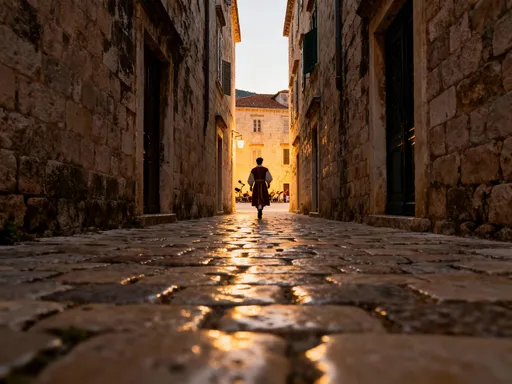
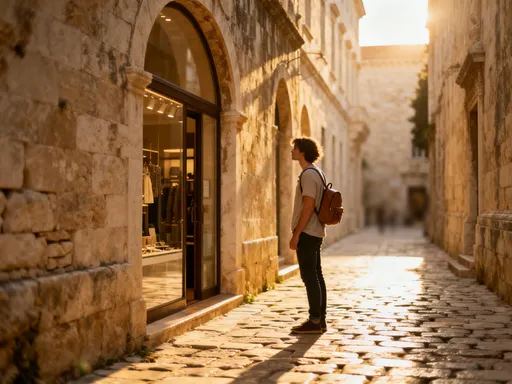
Stepping into Cusco for the first time is like entering a dream woven from stone and sky. The air is thin, the sun intense, and the pace of life just a little slower — a rhythm shaped by centuries of Andean tradition. Cobblestone streets wind beneath colonial balconies draped with flowers, while the distant silhouette of the Andes looms like ancient sentinels. But what truly greets you, beyond the postcard views, is the scent of wood smoke, roasting meat, and simmering herbs rising from open kitchen windows. Within hours of arriving, jet-lagged and breathless from the 11,000-foot altitude, I followed that aroma to a small, unmarked eatery near the Plaza de Armas.
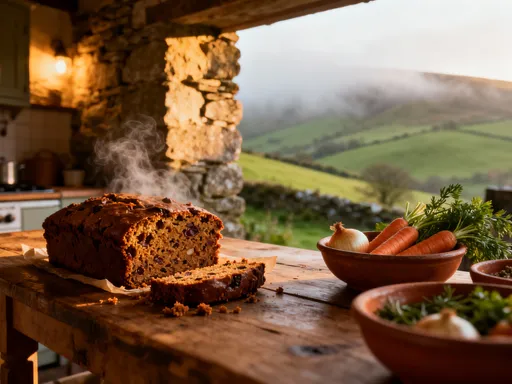
This was no fancy restaurant with a curated menu for foreigners. It was a típico menú del día — a local lunch special offered at dozens of family-run spots across the city. For less than five dollars, I was handed a warm ceramic bowl of caldo de gallina, a golden chicken soup rich with potatoes, corn, and a hint of garlic. It was followed by a plate of sautéed beef with rice, a slice of boiled sweet potato, and a glass of fresh orange juice. Simple, nourishing, and deeply comforting — the kind of meal that doesn’t just feed the body but eases the mind into a new place.
That first meal taught me something vital: food is the fastest, most honest way to understand a culture. Unlike museums or guidebooks, a shared plate reveals daily rhythms, generational habits, and the quiet pride people take in what they cook. In Cusco, where history lives in every wall and whisper, the kitchen is where the past feels most alive. The way a woman stirs a pot of stew, the way a vendor wraps a tamal in corn husk, the way families gather at noon for their largest meal — these are rituals as enduring as the Inca stones beneath the city.
The Heart of Cusco’s Flavors: San Pedro Market Uncovered
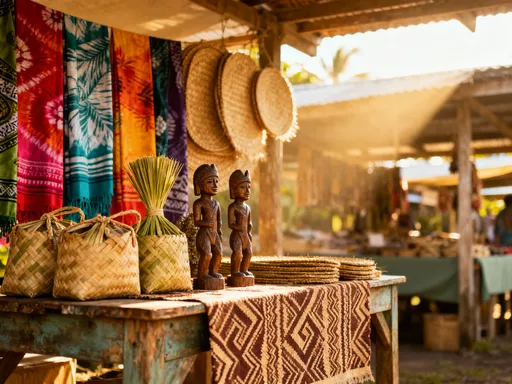
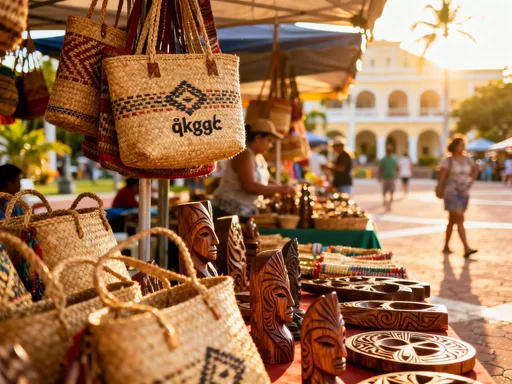
If Cusco has a beating heart, it’s the San Pedro Market. From dawn until mid-afternoon, this sprawling indoor-outdoor bazaar pulses with color, sound, and scent. Walking through its aisles is an immersion in Andean life — not the polished version sold in souvenir shops, but the real, unfiltered daily existence of the people who call the highlands home. The air hums with Quechua and Spanish, the clatter of metal scales, and the sizzle of street food griddles. Vendors call out their specials, children dart between stalls, and bundles of herbs hang like fragrant garlands from wooden beams.
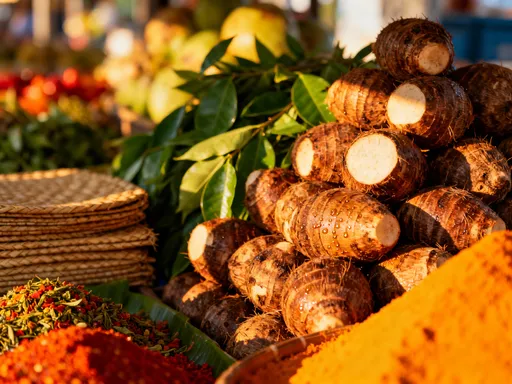
The produce alone is a revelation. Rows of tubers in shades of purple, yellow, and deep maroon — native potatoes like oca, olluco, and isaño — sit beside baskets of giant corn with kernels the size of almonds. Rainbows of chili peppers dangle in neat bundles: bright red rocotos, smoky ají amarillo, tiny fiery locotos. There are fruits with names few tourists can pronounce — aguaymanto, tumbo, cherimoya — each with its own season and use. This is not just food; it’s biodiversity on display, a living catalog of crops cultivated in the Andes for thousands of years.
But San Pedro is not just for shopping — it’s for eating. At the market’s food counters, locals line up for breakfast as early as six in the morning. One of the most popular items is humitas — soft, steamed corn cakes wrapped in husks, sweetened slightly and sometimes mixed with cheese. They’re warm, fragrant, and utterly satisfying. Equally beloved are tamales, heavier and denser than their Mexican cousins, made with yellow corn and often filled with a shred of pork. Served with a spoonful of hot ají sauce, they’re a perfect start to a cold Andean morning.
And then there’s chicha morada — a deep purple drink made from boiled purple corn, pineapple, cinnamon, and cloves. It’s refreshing, slightly sweet, and served either cold or hot depending on the season. Watching a vendor pour it from a giant urn into a glass with ice is a small ritual in itself. What’s striking is how integrated food is into every part of the market experience. People don’t just buy ingredients; they eat here, socialize here, and conduct business here. A grandmother bargains gently for potatoes while her granddaughter sips chicha from a plastic cup. A farmer trades a basket of tubers for a pair of boots. This is commerce, community, and cuisine all flowing together.
Beyond the Plate: Ingredients with History
To eat in Cusco is to taste history — not just in flavor, but in the very soil from which ingredients grow. The Andes have shaped Peruvian cuisine in ways that are still felt today, from the crops that thrive at high altitudes to the preservation techniques born out of necessity. Unlike the industrialized food systems of the modern world, much of what you eat here has been grown, stored, and prepared the same way for generations. And that makes every bite a connection to something deeper than taste.
Take quinoa, for example. Now celebrated globally as a “superfood,” in the Andes it has never been trendy — it’s simply food. Farmers in the Sacred Valley have cultivated it for millennia, rotating it with other crops to maintain soil fertility. The version you’ll find in Cusco’s markets is often unparched and unprocessed, requiring a careful rinse to remove saponins before cooking. When prepared at home, it’s used in soups, stews, or served alongside grilled meat — humble, nourishing, and deeply satisfying.
Then there’s kiwicha, or amaranth — another ancient grain that thrives in harsh conditions. Small and crunchy when toasted, it’s often eaten as a snack or mixed into sweet porridges. Oca and mashua are lesser-known tubers with peppery flavors that mellow when cooked. They’re not always easy to find outside the Andes, but in Cusco, they’re part of the everyday rotation, adding variety and nutrition to meals. And perhaps most remarkable is chuño — freeze-dried potatoes that can last for decades. Made by exposing potatoes to freezing nights and scorching days, then trampling them to remove moisture, chuño is a testament to Andean ingenuity. Rehydrated and added to stews, it has a chewy texture and earthy taste unlike any other potato product.
What makes these ingredients special is not just their resilience or nutritional value, but how they taste when grown in their native environment. A quinoa grain from the Sacred Valley has a nuttier, more complex flavor than its commercially processed counterpart. A freshly dug oca has a brightness that disappears when shipped and stored for weeks. In Cusco, food isn’t separated from its source. You eat what the land provides, when it’s in season, and how it’s been eaten for centuries. That authenticity is what makes the cuisine so powerful — it’s not just food, it’s continuity.
Classic Dishes, Real Context: What to Eat and Where It Comes From
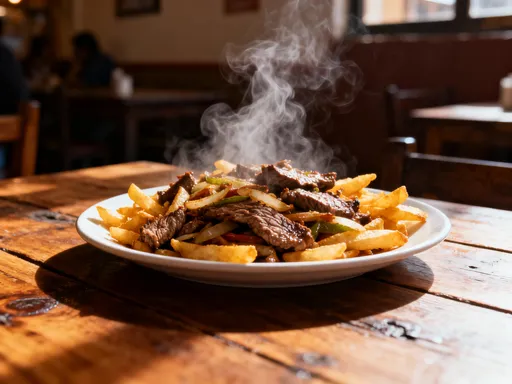
No visit to Cusco is complete without trying lomo saltado — a dish that perfectly captures Peru’s culinary fusion. At first glance, it looks like a stir-fry: strips of beef seared with onions, tomatoes, and ají peppers, all tossed in a savory soy-based sauce. But this is no imitation. Lomo saltado is a product of Chinese immigration in the 19th century, adapted over time with local ingredients and techniques. The meat is cooked over fierce, smoky wok heat, then served with a side of fluffy white rice and a heap of crispy French fries — an unexpected but delicious combination. Eating it with a fork and knife feels almost wrong; many locals mix it all together by hand, letting the juices soak into the fries.
Another iconic dish is rocoto relleno — a stuffed pepper that’s as fiery as it is flavorful. Rocoto peppers are two to three times hotter than jalapeños, so the first step in preparing them is to boil them in milk to reduce their heat. Once softened, they’re stuffed with a rich mixture of ground beef, onions, garlic, olives, raisins, and melted cheese, then baked until golden. The result is a complex blend of sweet, salty, spicy, and creamy — not for the faint of heart, but deeply loved in Cusco, especially during festivals. Though it originated in Arequipa, it has found a loyal following in the highlands, where its warmth is especially welcome on cold evenings.
Then there’s cuy — guinea pig — one of the most culturally significant dishes in the Andes. Roasted whole over an open flame or in a clay oven, cuy is traditionally served during special occasions like weddings, harvest festivals, or religious holidays. Its crispy skin and tender meat are considered a delicacy, and eating it is as much about tradition as it is about taste. For many Andean families, raising cuy in the home is a common practice — they’re easy to care for, reproduce quickly, and provide high-quality protein. While some travelers hesitate to try it, those who do often describe the experience as transformative — not because of the flavor alone, but because of what it represents: a deep connection to Andean identity and a way of life that values self-sufficiency and community.
Hidden Eateries: Locals-Only Spots Worth Finding
While tourist-friendly restaurants line the main streets of Cusco, the most memorable meals are often found off the beaten path. Tucked into quiet residential neighborhoods, away from the souvenir shops and guided tour groups, are family-run picanterías — small, no-frills eateries where generations gather for lunch. These places don’t advertise. They don’t have websites or Instagram pages. Often, they don’t even have menus in English. What they do have is authenticity.
Inside a typical picantera, the decor is simple: plastic tables, wall calendars from local businesses, and a kitchen window where you can see the cook stirring giant pots. The daily menu is written on a chalkboard or recited by the owner. Portions are enormous — a single plate might feed two — and prices are unbeatable. A full meal with soup, main course, drink, and dessert rarely exceeds six dollars. The recipes are often passed down from mother to daughter, unchanged for decades. You might find a rich chupe de quinua — a thick quinoa stew with cheese, milk, and vegetables — or a slow-cooked ají de gallina, where shredded chicken swims in a creamy, yellow sauce made from ají peppers and bread.
Finding these places requires a bit of effort, but the rewards are worth it. The best strategy is to walk a few blocks beyond the main tourist zones and look for crowds at lunchtime. A line of locals outside a door is a sure sign of quality. Another tip is to ask your Airbnb host or a shopkeeper where they eat. Most are proud to share their favorite spots and will point you toward a hidden gem. These meals aren’t just about flavor — they’re about inclusion. Sitting among families, workers on their lunch break, and elderly couples sharing a bottle of chicha, you begin to feel less like a visitor and more like a guest.
Dining Like a Local: Practical Tips for Food Travelers
To truly enjoy Cusco’s cuisine, it helps to understand the local dining rhythm. The main meal of the day, almuerzo, is eaten between 1:00 and 3:00 PM. This is when picanterías and family kitchens are busiest, and when the most elaborate dishes are prepared. Breakfast is usually light — a coffee and a pastry — while dinner, cena, is often a smaller, simpler meal. Between lunch and dinner, many locals enjoy onces — an afternoon tea or snack that might include bread with cheese, a boiled egg, or a slice of cake, accompanied by a hot drink.
For travelers, timing your meals around almuerzo ensures you get the freshest, most authentic experience. Street food is also a major part of the food scene, but it’s important to be mindful of safety. Stick to vendors who prepare food fresh in front of you, use clean utensils, and have a steady stream of customers — high turnover means fresher ingredients. Avoid raw salads or unpeeled fruits unless you’re certain they’ve been washed in purified water. Bottled water is widely available, and drinks like chicha morada or herbal infusions are generally safe and delicious.
One of the most rewarding ways to connect with food vendors is to use a few basic Spanish phrases. A simple “Buenos días” or “¿Qué me recomienda?” goes a long way in building rapport. Even if your Spanish is limited, attempting to communicate shows respect and often leads to warmer interactions. Many vendors will smile, offer a sample, or explain how a dish is made. These small exchanges turn a transaction into a moment of human connection — and sometimes, an invitation to try something special that’s not on the menu.
Food as a Gateway: Connecting Culture, History, and People
What makes Cusco’s food so powerful is not just its taste, but its ability to connect people. Meals here are rarely eaten in isolation. They are shared, celebrated, and often accompanied by stories. I was invited into a home in the San Blas neighborhood where a grandmother prepared a traditional pachamanca — a feast cooked underground with hot stones, marinated meats, potatoes, and herbs. As we waited for the earth oven to be uncovered, she spoke of her childhood in the countryside, of how her mother taught her to read the soil and the seasons. When the meal was finally revealed, steaming and fragrant, it felt like more than food — it was a ceremony, a thank you to the earth, a living tradition.
Traditional cooking in Cusco is also an act of cultural preservation. In a world where globalization threatens to homogenize cuisine, Andean families continue to grow native crops, prepare ancestral dishes, and speak Quechua in the kitchen. This is not resistance in a political sense, but in a quiet, daily way — through the choice to serve chuño instead of instant mashed potatoes, to raise cuy instead of buying factory-farmed meat, to teach grandchildren how to make humitas by hand. These acts keep identity alive.
And there’s a deep pride in that. When a vendor hands you a tamal wrapped in a corn husk, or a cook serves you a bowl of soup with a smile, they’re not just feeding you — they’re sharing a piece of themselves. They know their food is special, not because it’s exotic, but because it’s real. It carries altitude, history, and heart. And for those who come with an open mind and an empty stomach, it offers something rare: a true encounter with a living culture.
Eating in Cusco isn’t just about filling your stomach — it’s about stepping into a living culture. Every dish carries altitude, history, and heart. From bustling markets to backyard kitchens, the true soul of Peru is served on a plate. Travelers who come for the ruins often leave hungry for more — not because they’re starving, but because they’ve tasted something deeper. So come ready to eat. Your journey through Cusco begins not with a map, but with a spoon.