You Won’t Believe These Iconic Buildings Hiding in Northern Ireland
Northern Ireland is so much more than dramatic cliffs and Game of Thrones scenery—its landmark buildings tell stories of resilience, innovation, and raw beauty. From century-old castles to bold modern architectures, I was stunned by how much history and soul are poured into these structures. Walking through them felt like stepping into a living storybook. If you think this region is just about natural wonders, wait until you see what its buildings reveal. These are not merely walls and rooftops; they are keepers of memory, testaments to endurance, and silent narrators of a people shaped by change, faith, and ambition. Each stone, archway, and stained-glass window offers a quiet invitation: to pause, reflect, and witness the layers of time embedded in Northern Ireland’s built landscape.
A Journey Through Stone and Time
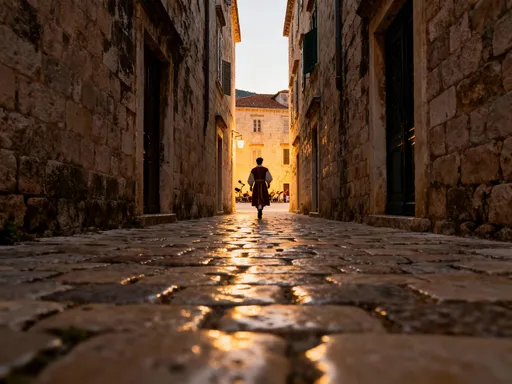
Northern Ireland’s architecture is a visual timeline, a silent chronicle of centuries shaped by conquest, faith, industry, and peace. Unlike regions where history is smoothed over by modernization, here, the past remains visibly embedded in the streetscapes of its towns and cities. The architectural language of Belfast, Derry~Londonderry, and smaller towns like Armagh and Coleraine reflects a complex identity—one that embraces both tradition and transformation. Walking through these urban centers, one notices how medieval foundations coexist with Victorian grandeur and 21st-century innovation. This is not accidental harmony but the result of a society learning to live with its layered past, building upon it rather than erasing it.
In Belfast, Georgian townhouses with their symmetrical facades and fanlight entrances stand just blocks away from steel-and-glass office towers. In Derry~Londonderry, the 17th-century city walls still encircle the historic core, enclosing buildings that have witnessed conflict, renewal, and reconciliation. These walls are not relics behind glass; they are part of daily life, walked by schoolchildren, joggers, and tourists alike. The architecture here does not merely serve function—it communicates identity. Even the materials speak volumes: local basalt stone, honey-colored sandstone, and red brick tell of regional geology and trade routes long established.
What makes Northern Ireland’s built environment especially compelling is how political and cultural shifts are legible in its structures. The Victorian era left behind civic buildings adorned with classical columns and ornate carvings, symbols of imperial confidence and civic pride. Later, the 20th century brought functionalist designs, some stark and utilitarian, reflecting periods of austerity and division. Yet today, a new architectural confidence is emerging—one that honors history while embracing openness, sustainability, and community engagement. This evolution is not just aesthetic; it reflects a society gradually healing and redefining itself through its physical spaces.
Belfast: Where Industry Met Elegance
Belfast’s architectural renaissance is one of the most remarkable urban transformations in the United Kingdom. Once known as the shipbuilding capital of the world, the city bore the scars of industrial decline and decades of conflict. Yet today, its skyline tells a different story—one of reinvention, resilience, and cultural rebirth. At the heart of this transformation stands Belfast City Hall, a majestic Edwardian Baroque masterpiece completed in 1906. With its sweeping dome, marble staircases, and stained-glass windows depicting the city’s industrial heritage, the building is more than a seat of local government; it is a symbol of civic pride and ambition.
Inside, the air carries the faint scent of polished wood and beeswax. Sunlight filters through the dome’s glass panels, casting golden patterns on the mosaic floors. Visitors often pause in the Great Hall, where the echo of footsteps mingles with soft conversations, creating a hush that feels almost reverent. The building’s grandeur is not cold or distant; it is accessible, welcoming, and alive with daily activity. Guided tours reveal stories of Belfast’s rise as a global linen and shipbuilding center, reminding visitors that this elegance was born from labor, innovation, and vision.
Equally iconic is the Crown Liquor Saloon, a Victorian-era pub tucked away on Great Victoria Street. Stepping inside is like entering a gilded time capsule. Mosaic tile floors, etched glass partitions, and brass footrails gleam under warm gas-style lamps. Every detail, from the ornate ceiling to the original ticket booth for horse-drawn carriages, speaks of an era when public spaces were designed to inspire wonder. Now part of the National Trust, the Crown remains a working pub, where locals gather for pints and conversation, preserving both the building and the culture it represents.
Perhaps the most powerful architectural statement in modern Belfast is Titanic Belfast, the award-winning museum located on the very site where the RMS Titanic was built. Its angular, white aluminum façade resembles the hulls of ships and icebergs, a bold fusion of form and narrative. Inside, immersive exhibits trace the ship’s construction, the lives of its workers, and the tragedy of its sinking. But more than a memorial, the building is a catalyst for urban renewal, anchoring the revitalized Titanic Quarter. It stands as a monument not just to a lost ship, but to the skill, dreams, and hardships of the people who built it.
Castles That Whisper Legends
Northern Ireland’s coastline and countryside are dotted with castles that rise from cliffs, cradle lakes, or stand sentinel over quiet towns. These are not Disneyfied reconstructions but authentic fortresses, weathered by time and shaped by centuries of conflict and change. Among the most striking is Carrickfergus Castle, perched on a rocky promontory along Belfast Lough. Built in the 12th century by Anglo-Norman invader John de Courcy, it is one of the best-preserved medieval structures in Ireland. Its massive curtain walls, central keep, and moat evoke an era when power was measured in stone and iron.
Walking through its gatehouse, visitors feel the weight of history in the cool, damp air and the uneven flagstones underfoot. Interpretive panels and audio guides recount sieges, royal visits, and its use as a garrison during both World Wars. Yet even without narration, the castle speaks. The arrow slits, the remnants of a chapel, the view across the water to Scotland—all suggest a place of strategic importance and human drama. Families often explore together, children imagining themselves as knights or lookouts, while older visitors pause to reflect on the long arc of time.
Further north, Dunluce Castle clings dramatically to a jagged cliff on the Antrim Coast. Though now a ruin, its remnants are spellbinding. The great hall, partially collapsed into the sea, once hosted banquets and councils. Local legend tells of a kitchen falling into the ocean during a storm, taking the cook and servants with it—a tale that, while unverified, adds to the site’s mystique. What is certain is the castle’s strategic location, commanding views of the North Channel and serving as a stronghold for the powerful MacDonnell clan.
The emotional impact of standing at Dunluce is profound. The wind whips through the broken arches, the waves crash against the rocks below, and the ruins frame the endless horizon. It is a place of beauty and melancholy, where nature and history converge. Unlike heavily commercialized sites, Dunluce remains raw and unpolished, inviting contemplation rather than spectacle. Managed by the Northern Ireland Environment Agency, it is accessible to all, with pathways and safety railings ensuring a secure but authentic experience.
Sacred Spaces With Silent Strength
Religious architecture in Northern Ireland carries a deep sense of continuity and solace. These are not merely places of worship but community anchors, havens of stillness in a fast-moving world. St. Anne’s Cathedral in Belfast is a prime example. Though construction began in 1899 and continued into the 20th century, the cathedral was never fully completed—its twin spires remain unbuilt, a quiet reminder of the region’s interrupted progress. Yet what exists is profoundly moving. The interior blends Gothic Revival elements with modern touches, including a striking marble baptismal font and a suspended cross made of Irish oak.
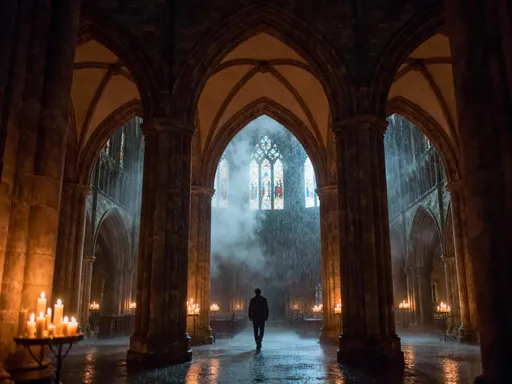
Candlelight flickers in side chapels, illuminating stained-glass windows that depict biblical scenes alongside local saints and historical moments. The stone is cool to the touch, the acoustics perfect for choral music. Visitors often sit in silence, some in prayer, others simply absorbing the peace. The cathedral has hosted memorial services, peace gatherings, and cultural events, serving as a neutral ground for dialogue and reflection. Its very presence—in the heart of a city once divided—is a statement of hope.
In Derry~Londonderry, the Church of Ireland’s St. Columb’s Cathedral stands as another architectural and spiritual landmark. Completed in 1633, it is one of the oldest post-Reformation churches in Britain and Ireland. Its Jacobean design, with red sandstone walls and a square tower, contrasts with the surrounding city walls. Inside, the wooden pews, carved pulpit, and heraldic stained glass create an atmosphere of quiet dignity. The cathedral has endured sieges, fires, and political upheaval, yet it remains a place of worship and welcome.
What unites these sacred spaces is their ability to transcend division. In a region where religion has too often been a source of conflict, these buildings stand as reminders of shared heritage and the universal need for sanctuary. They are not museums but living spaces, where choirs rehearse, children are baptized, and communities gather in times of joy and sorrow. Their architecture—soaring arches, intricate carvings, peaceful courtyards—invites reverence, not because of dogma, but because of the human longing for meaning and connection.
Modern Marvels Rising From the Past
While Northern Ireland honors its past, it is also boldly shaping its future through contemporary architecture. The SSE Arena in Belfast is one such example. Originally built as a cinema in 1929, it has been reimagined as a premier entertainment venue, hosting concerts, sports events, and family shows. Its Art Deco façade has been preserved, blending seamlessly with modern interior upgrades. The building pulses with energy on event nights, its lights reflecting off the River Lagan, drawing crowds from across the region.
Another standout is the Lyric Theatre, located beside the River Lagan in a sleek, award-winning structure completed in 2011. Designed by O’Donnell + Tuomey, the building features flowing lines, natural light, and a strong connection to its riverside setting. Inside, the auditorium wraps around the stage, creating intimacy between performers and audience. The theatre produces powerful works, many exploring Northern Irish identity, history, and resilience. It is not just a place to watch plays; it is a cultural hub where conversations begin and communities gather.
University campuses, too, are contributing to the region’s architectural evolution. Queen’s University Belfast has integrated modern buildings like the Graduate School and the McClay Library into its historic campus. The library, with its glass façade and open-plan interiors, is a haven for students and researchers. It respects the surrounding red-brick Victorian buildings while asserting a contemporary identity. These spaces are designed not just for function but for inspiration—to foster creativity, collaboration, and critical thinking.
What defines these modern structures is their dialogue with the past. They do not erase history but respond to it. The use of local materials, references to traditional forms, and integration into historic neighborhoods show a deep respect for context. At the same time, their clean lines, energy-efficient systems, and inclusive designs reflect a forward-looking vision. They are symbols of confidence—not in forgetting, but in building anew, with wisdom and care.
Hidden Gems Beyond the Guidebooks
While castles and cathedrals draw well-deserved attention, some of Northern Ireland’s most moving architectural experiences lie off the beaten path. Take the restored Georgian townhouses in Belfast’s Cathedral Quarter. Once neglected, many have been transformed into boutique hotels, art galleries, and cafés. One such building, now housing a small design studio, retains its original sash windows, ceiling roses, and staircase banister. Stepping inside feels like discovering a secret—a quiet courtyard, a hidden garden, a moment of calm amidst the city’s rhythm.
Along the coast, decommissioned lighthouses and signal towers offer solitude and stunning views. The Mew Island Lighthouse, accessible by boat from Bangor, stands on a small island in Belfast Lough. Though automated, its white tower and keeper’s cottage remain intact, maintained by the Port of Belfast. Visitors on guided tours can climb the spiral staircase, peer through the restored lens, and imagine the lives of those who once lived in isolation, guiding ships through fog and storm.
Another hidden treasure is the old coastguard station at Portbraddon, near Bushmills. Perched on a cliff, its stone walls and arched windows overlook the sea. Now a private residence, its exterior remains largely unchanged, a silent witness to decades of maritime history. Locals sometimes stop to take photos or share stories of smuggling rumors and rescue missions. These lesser-known buildings matter because they are untouched by mass tourism. They offer authenticity, atmosphere, and a chance to connect with place on a personal level.
Discovering such sites often requires slowing down, asking questions, and talking to locals. A caretaker at a small heritage site might share family stories passed down for generations. A café owner might point to a forgotten plaque or an unusual carving. These moments of connection enrich the journey, turning sightseeing into storytelling. They remind us that architecture is not just about grandeur, but about the quiet, everyday spaces that shape lives.
Why These Buildings Matter Today
In an age of fast travel and digital distraction, the true value of architecture lies in its ability to ground us. Northern Ireland’s buildings do more than shelter or impress—they connect. They link present to past, individual to community, visitor to place. To walk through a castle, a cathedral, or a restored townhouse is to participate in a living conversation across centuries. These structures are not frozen in time; they are active participants in cultural life, education, and emotional healing.
Preserving them is not about nostalgia but about responsibility. Each restoration project, each adaptive reuse, sends a message: we value our history, we honor those who came before, and we believe in a future worth building for. Schools bring students to these sites to learn not just history but empathy. Families return year after year, creating their own memories within ancient walls. Tourists leave not just with photos, but with a deeper understanding of a region’s soul.
For the traveler, especially the thoughtful observer, these buildings offer a rare gift: the chance to slow down and truly see. To notice the way light falls on a stone arch, the sound of wind through a ruined window, the warmth of a hand-carved pew. In these details, we find beauty, meaning, and a quiet sense of belonging. Northern Ireland’s architecture invites us not to rush, but to linger, to listen, and to let the walls speak.
So the next time you plan a journey, look beyond the postcard views. Seek out the buildings that stand quietly, patiently, telling stories in stone and glass. Let them guide you not just through a place, but through time. Because in Northern Ireland, every wall has a voice, and every doorway leads to discovery.