You Won’t Believe What I Found at Nadi’s Markets
Walking into Nadi’s shopping scene feels like stepping into a vibrant heartbeat of island life—colorful, loud, and totally real. I didn’t expect to fall in love with a place just through its markets, but here I am. From handwoven baskets to fragrant spices, every corner tells a story. This isn’t just shopping; it’s connecting. If you think Fiji is only about beaches, wait until you see what Nadi hides in plain sight. Let me take you through the stalls, smiles, and secrets most tourists miss.
The Pulse of Nadi: Where Shopping Meets Culture
Nadi, often seen as a transit point between the airport and Fiji’s idyllic island resorts, holds a cultural rhythm that pulses strongest in its bustling marketplaces. At the heart of this energy lies the Nadi Municipal Market, a vibrant hub where commerce, community, and tradition intersect. Unlike the polished boutiques of tourist zones, this market is raw, authentic, and alive with the daily cadence of Fijian life. Here, shopping is not a transactional chore—it’s a social ritual, a sensory celebration, and a window into the soul of a multicultural town.
Nadi’s unique identity stems from its rich blend of Fijian, Indian, and Pacific Islander communities, a harmony reflected in the goods on display and the languages exchanged across counters. You’ll hear Fijian greetings mingling with Hindi phrases and English pleasantries. The market is a living testament to coexistence, where curry leaves sit beside kava roots, and saris drape near traditional masi cloth. This cultural tapestry isn’t staged for visitors; it unfolds naturally, shaped by generations of shared livelihoods and neighborhood bonds.
The informal economy thrives here, supporting hundreds of small-scale farmers, artisans, and family-run vendors. For many, the market is not just a place to sell—it’s a source of dignity, independence, and intergenerational connection. Children help arrange fruit displays; elders share wisdom with younger vendors; neighbors exchange news between transactions. This is commerce with heart, where a purchase supports not just a business, but a way of life.
Visitors who take the time to observe and engage often leave with more than souvenirs—they leave with stories. A woman selling taro might explain how her family has farmed the same plot for decades. A young man carving wooden bowls may describe the spiritual significance of the patterns he etches. These moments of connection transform a simple market visit into a meaningful cultural exchange, reminding us that travel is as much about people as it is about places.
Inside the Nadi Municipal Market: A Sensory Journey
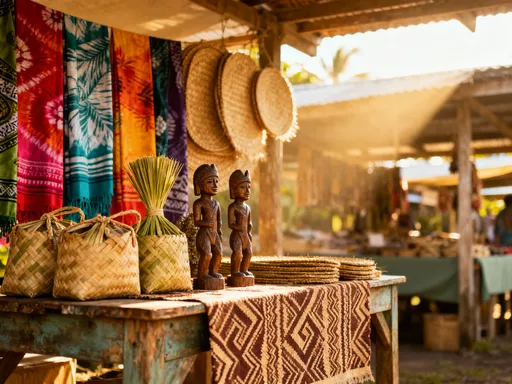
Entering the Nadi Municipal Market is like stepping into a living postcard of island abundance. The air hums with the scent of ripe mangoes, freshly grated coconut, and earthy root vegetables. Rows of wooden stalls stretch beneath corrugated roofs, each one a treasure chest of local produce, handmade crafts, and aromatic spices. The market is organized in loose zones, guiding visitors through a sensory journey that begins with food and ends with artistry.
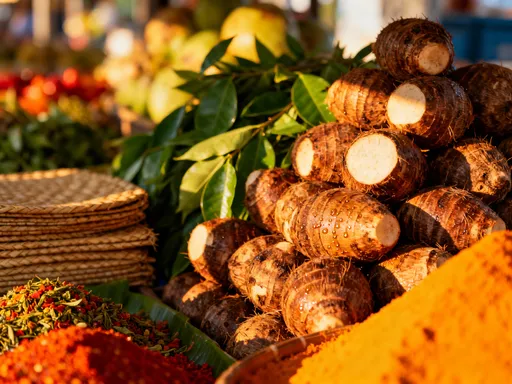
The produce section is a feast for the eyes. Bright orange kumara (sweet potatoes), knobby dalo (taro), and green-edged cassava roots are stacked in neat pyramids. Pineapples glisten under the morning sun, their golden flesh peeking from freshly cut samples offered with a smile. Vendors proudly display bunches of green bananas, breadfruit, and ulu (jackfruit), staples of the Fijian diet. Fresh coconuts, still in their husks, are sold by the dozen, some pre-cracked for easy drinking. The quality is consistently high, as most goods come straight from nearby farms, often harvested the night before.
Adjacent to the produce stalls, the spice and herb section bursts with color and fragrance. Bundles of curry leaves, turmeric roots, and lemongrass stalks are tied with twine and displayed in woven baskets. Small sacks of ground spices—cumin, coriander, fenugreek—are sold in paper cones, their earthy aromas mingling in the humid air. This is where Fijian-Indian cuisine comes to life, and many visitors come not just to buy, but to learn. Vendors are often happy to explain how certain spices are used in traditional dishes, from rich curries to soothing herbal teas.
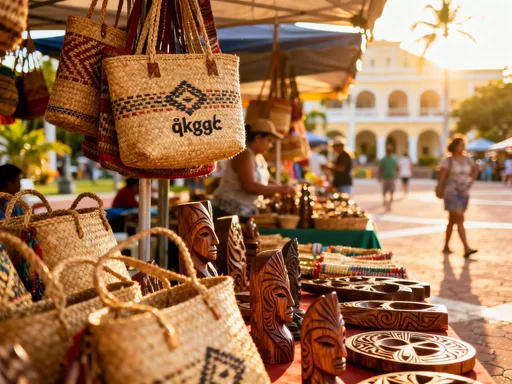
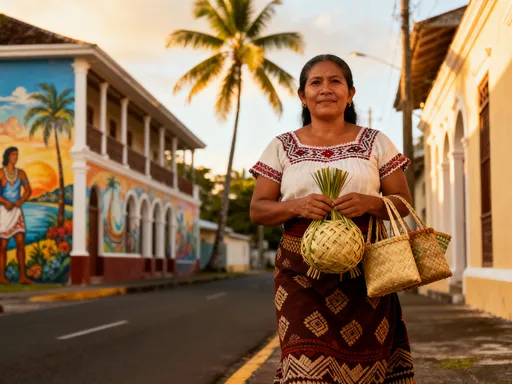
The craft section showcases the artistry of Fijian hands. Handwoven mats (matsou), made from pandanus or coconut fibers, are laid out in intricate patterns, each one representing hours of meticulous work. Bilum bags—colorful, crocheted from recycled plastic or natural fibers—are displayed in every hue, from ocean blue to sunflower yellow. These are not mass-produced souvenirs; they are functional heirlooms, often made by women in rural villages and brought to market by family members. The pride in craftsmanship is evident, and prices remain fair, with no inflated “tourist markup” in sight.
Street food stalls at the market’s edge offer a taste of daily Fijian life. A simple grill sizzles with sausages and roti, while a nearby vendor stirs a pot of thick, spiced dhal. For a few Fijian dollars, you can enjoy a plate of curried chicken with rice, served with a side of pickled mango. The food is hearty, flavorful, and deeply satisfying—a far cry from the sanitized resort menus. Eating here, seated on a plastic stool under a shade tent, you become part of the scene, not just an observer.
Beyond Souvenirs: Finding Meaning in Handmade Goods
In an age of globalized retail, the act of buying a handmade item carries deeper significance. At Nadi’s markets, every bilum bag, wood carving, and piece of tapa cloth is more than a decorative object—it is a story woven, carved, or painted into existence. These items are not churned out by machines but shaped by human hands, often using techniques passed down through generations. To purchase one is to participate in a tradition, to support a craftsperson, and to carry a piece of Fijian culture home.
Take the bilum, for example. More than just a bag, it is a symbol of Fijian ingenuity and sustainability. Traditionally made from natural fibers, many modern bilums use recycled plastic strips, transforming waste into beauty. Women in villages across Fiji spend hours crocheting these bags, often while sitting under a tree or during community gatherings. The patterns vary by region, with some designs holding spiritual or familial meaning. When you buy a bilum, you’re not just getting a functional tote—you’re honoring a legacy of resourcefulness and artistry.
Wood carvings, too, reflect a deep cultural heritage. From small tikis to elaborate bowls and ceremonial paddles, each piece is carved from native hardwoods like vesi or dakua. Artisans often begin with a prayer or blessing, believing the spirit of the tree guides their hands. The motifs—waves, turtles, frigate birds—are drawn from nature and mythology, each with symbolic significance. A carved turtle, for instance, represents longevity and safe travel, making it a meaningful gift for a loved one embarking on a journey.
Tapa cloth, or masi, is another treasure of Fijian craftsmanship. Made from the bark of the paper mulberry tree, it is beaten into sheets and decorated with natural dyes and symbolic patterns. Traditionally used in ceremonies and as gifts during important life events, masi is now also available in smaller formats for visitors. Buying a piece supports not only the artist but also the preservation of an ancient art form that risks fading in the face of modernization.
Choosing to buy handmade is an ethical decision. It ensures that money goes directly to the creator, not to a middleman or overseas corporation. It encourages sustainable practices and reduces reliance on imported, plastic-based trinkets. More than that, it fosters respect—for the time, skill, and cultural meaning behind each item. In a world of fast fashion and disposable goods, these market finds are a reminder that some things are worth slowing down for.
Hidden Gems: Small Stalls and Off-the-Beaten-Path Finds
While the Nadi Municipal Market is the centerpiece, the true magic often lies in the smaller, lesser-known spots that dot the town’s edges. Just beyond the main market, along quiet side streets and residential lanes, family-run roadside stands offer a more intimate shopping experience. These stalls, often no more than a wooden table under a tarp, sell everything from homegrown vanilla beans to handmade soaps infused with frangipani and coconut oil.
One such find is a small boutique tucked into a restored colonial-era building, its wooden shutters painted a faded blue. Inside, a mother-daughter duo sells hand-painted ceramics, each piece glazed with ocean-inspired hues. They don’t advertise online, and their hours are irregular—open only when inspiration strikes or supplies run low. Discovering them feels like uncovering a secret, a rare moment of authenticity in a world increasingly shaped by algorithms and mass production.
Another hidden gem is a pop-up craft stall that appears every Saturday near the local church. Run by a group of women from a nearby village, it features recycled jewelry made from seashells, old glass bottles, and discarded fishing nets. Each necklace or bracelet is one-of-a-kind, a testament to creativity born from necessity. The women welcome questions, sharing how they collect materials from the beach and transform them into wearable art. Their laughter and warmth make the experience as valuable as the purchase.
These off-the-beaten-path spots thrive on spontaneity. There’s no guarantee they’ll be open on any given day, and that unpredictability is part of their charm. Unlike the curated predictability of shopping malls, these encounters feel serendipitous, like finding a message in a bottle. They remind us that travel is not just about checking destinations off a list, but about embracing the unexpected, the unscripted, the human.
For the discerning traveler, these small finds often become the most cherished souvenirs. A bar of handmade soap wrapped in banana leaf. A vanilla pod still fragrant from the vine. A seashell bracelet that clinks softly with every movement. These are not just objects—they are tokens of connection, proof that we paused, looked closely, and said yes to something real.
Shopping Smart in Nadi: Practical Tips for Visitors
To truly enjoy Nadi’s markets, a little preparation goes a long way. The best time to visit is early in the morning, ideally between 7:00 and 9:00 a.m. This is when the produce is freshest, the air is cooler, and the vendors are most relaxed and talkative. By midday, the heat intensifies, and some stalls begin to pack up, especially on weekdays.
Bring cash in small denominations. While a few vendors now accept mobile payments, most transactions are still done in Fijian dollars. Having coins and small bills makes it easier to buy snacks, pay for samples, or tip for a kindness. A reusable shopping bag is also essential—plastic bags are discouraged in Fiji as part of environmental conservation efforts, and many vendors appreciate customers who come prepared.
Engaging with vendors respectfully enhances the experience. A simple “Bula!” (hello) goes a long way. If you’re unsure about a product, ask politely. Most people are happy to explain what something is, how it’s used, or where it comes from. Avoid taking photos without permission; while some vendors don’t mind, others may feel uncomfortable, especially if they’re working or eating.
Bargaining is generally not expected in the municipal market, where prices are already fair and reflective of the goods’ value. However, in nearby tourist-adjacent areas or informal roadside stalls, a polite negotiation may be acceptable. The key is to do so with kindness, not aggression. Remember, these are people’s livelihoods, not bargaining games. If a price feels too high, simply smile and move on—there’s no obligation to buy.
Be cautious of counterfeit goods sold near tourist zones or outside hotels. Items labeled as “handmade” but priced suspiciously low are often imported from overseas factories. Genuine Fijian crafts take time and skill, and their value reflects that. When in doubt, ask about the origin of the item. A true artisan will proudly tell you where and how it was made.
Finally, consider supporting community-based enterprises. Look for stalls affiliated with women’s cooperatives, village collectives, or local NGOs. These initiatives often reinvest profits into education, healthcare, or environmental projects. By choosing to shop here, you’re not just buying a product—you’re contributing to a cycle of empowerment and sustainability.
From Market to Meal: How Shopping Fuels Authentic Experiences
One of the most rewarding ways to deepen your market experience is to turn your purchases into a shared meal. Many visitors don’t realize that buying ingredients at the Nadi Municipal Market can lead to hands-on cooking classes, home dining experiences, or even a lovo feast—a traditional Fijian earth oven meal prepared for special occasions.
Local hosts often invite guests to join them in selecting ingredients at the market, turning shopping into the first act of a culinary adventure. Imagine choosing plump taro roots, fragrant curry leaves, and fresh coconut milk alongside a Fijian grandmother who’s been cooking for over fifty years. She explains which spices bring out the sweetness in the dalo, how to properly grate coconut, and why certain foods are reserved for celebrations.
Back in her kitchen, the real magic begins. Together, you pound root vegetables, stir pots of simmering curry, and wrap fish in banana leaves. The process is slow, deliberate, and deeply communal. Children peek in from the doorway, neighbors drop by with extra limes, and laughter fills the air. By the time the meal is served—often on banana leaves under a thatched roof—you’re not a tourist anymore. You’re part of the family, if only for an afternoon.
These food-based experiences are among the most authentic ways to connect with Fijian culture. They go beyond sightseeing, offering a taste of daily life, values, and hospitality. The act of sharing food breaks down barriers, creating space for stories, songs, and silence alike. And when you bite into a piece of tender, smoky lovo pork, seasoned with island herbs and slow-cooked in the earth, you taste not just flavor, but history.
For families traveling with children, these moments are especially meaningful. Kids learn by doing—grating coconut, rolling roti, or helping to set the table. They return home not just with souvenirs, but with memories of connection, of being welcomed, of belonging, even briefly, to another world.
Why Nadi’s Shopping Scene Deserves More Than a Pit Stop
Too often, Nadi is dismissed as a mere gateway—a place to pass through on the way to the islands. But to skip its markets is to miss the soul of Fiji. While resorts offer comfort and convenience, they often present a curated, sanitized version of culture. The real heartbeat of the nation thrives in places like the Nadi Municipal Market, where life unfolds in its unfiltered, vibrant complexity.
Here, you won’t find generic t-shirts or plastic shells from China. You’ll find taro grown in volcanic soil, spices blended by hand, and crafts shaped by ancestral knowledge. You’ll meet people who greet you with genuine warmth, who share their stories not because they’re paid to, but because they want to. This is not performative culture—it is lived culture.
Compared to airport boutiques or resort gift shops, Nadi’s markets offer a richer, more honest experience. The prices are fair, the quality is superior, and the impact of your purchase is direct and meaningful. Every dollar spent supports a farmer, a weaver, a cook—a real person with dreams, responsibilities, and pride in their work.
More than that, shopping in Nadi invites you to slow down. It asks you to look closely, to listen, to engage. It challenges the notion that travel is only about relaxation or escape. Instead, it offers connection, understanding, and the quiet joy of discovering something real in a world that often feels artificial.
So the next time you find yourself in Fiji, don’t rush to the ferry. Spend a morning in Nadi. Let the market’s rhythm guide you. Say “Bula” to a vendor, taste a slice of mango, carry home a bilum bag that tells a story. In doing so, you won’t just see Fiji—you’ll feel it, remember it, and carry a piece of its heart with you long after you’ve left the islands behind.