You Won’t Believe What I Discovered in Agana
Agana, the quiet heart of Guam, surprised me in ways I never expected. Far from just a capital city, it’s a living blend of Chamorro heritage and modern Pacific life. Walking its streets, I felt the pulse of tradition—from ancestral chants in plazas to the scent of red rice and kelaguen in family-run eateries. This isn’t just tourism; it’s real cultural immersion. If you’re seeking authenticity, Agana delivers. Unlike the bustling resort zones that draw most visitors, this unassuming city reveals its treasures slowly, through quiet moments: an elder weaving lauhala under a shade tree, children laughing in the Chamorro language, or the soft chime of church bells drifting over palm-lined avenues. What I discovered was not a performance for tourists, but a community rooted in resilience, pride, and a deep connection to land and lineage. This is a place where history isn’t confined to museums—it lives in kitchens, chants, crafts, and everyday gestures of belonging.
Arrival in Agana: First Impressions Beyond the Surface
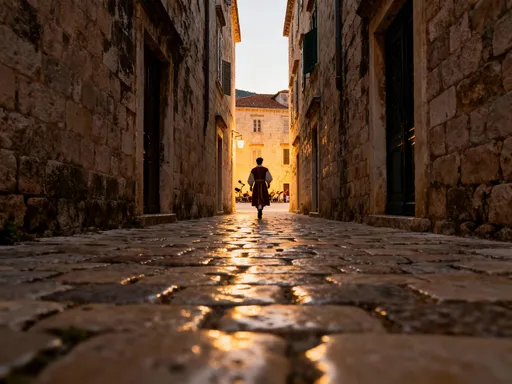
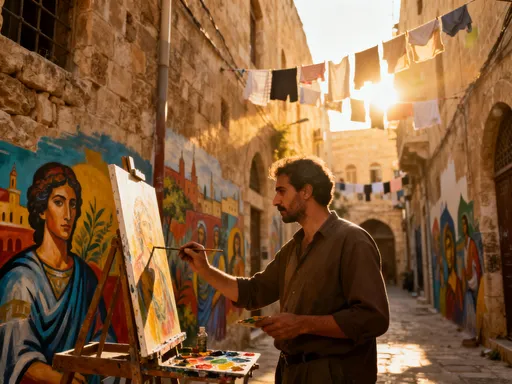
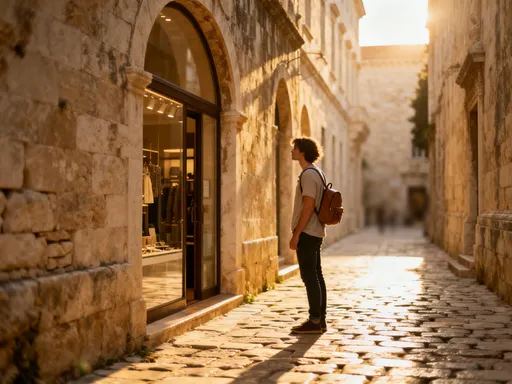
Stepping off the bus into downtown Agana, the first thing that strikes a visitor is the contrast—colonial-era buildings with weathered stucco walls stand beside vibrant murals depicting Chamorro legends and ocean voyages. Wide, sun-drenched avenues lined with coconut and mango trees create a rhythm of shade and light, while the occasional breeze carries the faint scent of frangipani and grilled meat from nearby food stands. At first glance, Agana may seem modest in scale, especially compared to the commercial energy of Tumon or the military presence in other parts of Guam. But beneath its unpretentious surface lies a cultural depth that unfolds gradually, like a story told in layers.
What stood out most was the unhurried rhythm of daily life. In the morning, locals gather at the Agana Shopping Center not just to run errands, but to exchange greetings, share news, and support family-owned stalls selling fresh papaya, handmade soaps, and woven baskets. The sound of church bells from the Dulce Nombre de Maria Cathedral marks the hours, a reminder of the deep-rooted role faith plays in community life. I noticed how people pause to greet one another by name, how elders are listened to with quiet respect, and how even in a modern urban setting, traditional values of reciprocity and kinship remain alive.
Before arriving, I had underestimated Agana, assuming it was merely an administrative hub with little to offer beyond government buildings and traffic. I was wrong. The city does not reveal itself quickly. It asks for patience. It rewards presence. Unlike destinations designed for rapid consumption, Agana invites the traveler to slow down, observe, and connect. It’s not about ticking off landmarks, but about noticing the details—the pattern of a woven mat in a storefront, the lyrics of a lullaby hummed by a grandmother, the way a fisherman mends his net with practiced hands. These are the quiet markers of a culture that has endured centuries of change without losing its soul.
The Soul of Chamorro Culture: More Than Just Performances
To understand Agana is to understand the Chamorro people—the indigenous inhabitants of the Mariana Islands whose presence predates European contact by thousands of years. Their identity is not a relic of the past, but a living, evolving force that shapes life in Agana today. Chamorro culture is rooted in values of resilience, family, and respect for the natural world. These are not abstract ideals, but principles woven into daily actions: how meals are shared, how stories are passed down, and how community decisions are made. What I came to appreciate is that Chamorro heritage is not performed for outsiders—it is lived, quietly and consistently, by those who carry it forward.
One evening, I was invited to attend a community gathering at a local cultural center, where a group of dancers performed the chamorrita, a traditional dance that blends Spanish and Pacific influences. The movements were graceful yet grounded, telling stories of courtship, ocean voyages, and daily life. What moved me most was not the performance itself, but the context—children watching intently, elders nodding in recognition, and the absence of any commercial backdrop. There were no ticket booths, no souvenir stands, no flash photography. This was not entertainment; it was transmission. The dance was a way of honoring ancestors, reinforcing identity, and teaching younger generations what it means to be Chamorro.
Language, too, plays a vital role in this cultural continuity. While English is widely spoken, efforts to revive the Chamorro language have gained momentum in recent years. In schools and community programs, children are learning to speak, read, and write in their ancestral tongue. I attended a storytelling session where an elder shared myths about Puntan and Fu’una, the creation deities in Chamorro cosmology, in both Chamorro and English. The act of storytelling—oral tradition at its core—serves as a bridge between generations, preserving not just words, but worldviews, values, and a sense of belonging.
What impressed me most was the quiet pride with which locals carry their heritage. There is no need to overstate or dramatize it. The Chamorro identity is not for sale. It is not reduced to caricatures or costumes. It is expressed in the way people speak to one another, the respect shown at sacred sites, and the determination to keep traditions alive in a modern world. In Agana, culture is not a show—it is a way of being.
Taste as Tradition: Flavors That Tell a Story
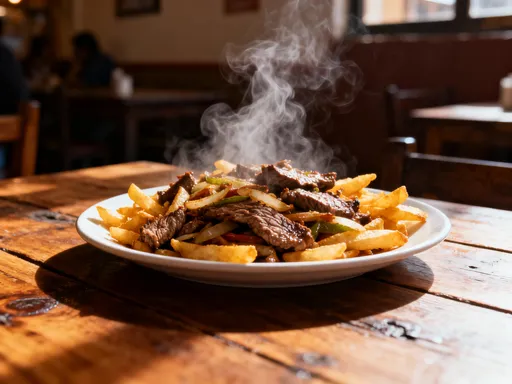
In Agana, food is far more than sustenance—it is memory, identity, and love made tangible. Every meal carries the imprint of history, from the Spanish-influenced stews to the ancient methods of preparation passed down through generations. One of the first things I noticed upon arrival was the aroma of grilled chicken and lemon grass wafting from roadside stands, signaling the presence of kelaguen, a dish made with finely chopped meat, coconut, and lemon. It is often served alongside red rice, colored with achiote, and fresh fruit like mango or papaya. These flavors are not just delicious—they are deeply symbolic, connecting people to their land, ancestors, and each other.
I had the privilege of visiting a family home where a grandmother, known affectionately as Tata, prepared a traditional meal with her granddaughter. As she seasoned the kadon pika—a spicy chicken stew—with turmeric, ginger, and chili, she explained how each ingredient had meaning. Turmeric, she said, was not only for flavor but also for healing. Coconut, abundant on the island, represented self-sufficiency. The slow simmering of the stew mirrored the patience required in life. Watching her hands move with confidence and care, I realized that cooking was not just a task—it was an act of cultural preservation, a way of ensuring that knowledge would not be lost.
Food in Agana also plays a central role in ceremonies and family gatherings. Whether it’s a birthday, a baptism, or a memorial, meals are prepared communally, with everyone contributing something. The table becomes a place of connection, where stories are shared, laughter flows, and younger members learn by watching and helping. I attended a small celebration where an entire pig was roasted in an underground oven, a method known as kådu. The process took hours, involving the entire family—digging the pit, preparing the banana leaves, and tending the fire. The result was more than a meal; it was a testament to patience, unity, and tradition.
What makes these culinary experiences so meaningful is their authenticity. Unlike tourist restaurants that adapt dishes for foreign palates, the food in Agana remains true to its roots. There is no need to simplify or sweeten flavors to make them more palatable. This is food made for the people who know and cherish it. To eat in Agana is to be welcomed into a family, even if only for a meal. It is a reminder that some of the most profound cultural exchanges happen not in museums or performances, but around the dinner table.
Sacred Spaces: From Spanish Missions to Ancestral Grounds
Agana is home to some of Guam’s most significant spiritual and historical sites, where layers of faith, memory, and identity converge. At the heart of the city stands the Dulce Nombre de Maria Cathedral, a structure that has endured fires, wars, and reconstruction since its founding in 1669. Its white façade and twin bell towers rise above the palm trees, a symbol of the deep Catholic faith introduced by Spanish missionaries. Yet, within its walls, one can sense a unique fusion—Catholic rituals practiced with Chamorro reverence, hymns sung in both English and Chamorro, and feast days that blend saints’ celebrations with indigenous customs. This is not a foreign imposition, but a faith that has been embraced, adapted, and made distinctly local.
But the spiritual landscape of Agana extends far beyond colonial churches. Just a short distance from the city center are remnants of pre-colonial life—latte stone sites, where massive stone pillars once supported ancestral homes. These structures, some over a thousand years old, are more than archaeological curiosities; they are sacred markers of a people’s connection to the land. Standing among the stones, I felt a profound sense of continuity. These were not ruins, but reminders—of a civilization that navigated the Pacific using stars and waves, that built homes on stone foundations meant to last, and that honored their ancestors through daily life.
I was invited to observe a quiet ceremony at one of these sites, where a family offered chants and flowers in honor of their lineage. There were no loud announcements or crowds—just a small group gathered in reverence. I was reminded that in Chamorro culture, the past is not separate from the present. Ancestors are not forgotten; they are remembered, spoken to, and honored in everyday actions. This deep respect for ancestry coexists with modern religious practice, creating a spiritual tapestry that is both layered and harmonious.
Visitors are welcome at these sites, but always with a call to respect. There are no loud voices, no climbing on stones, no casual selfies. The expectation is quiet observation, mindful presence, and a willingness to listen. In Agana, sacred spaces are not attractions—they are places of reflection, connection, and humility. To visit them is to be reminded that some things are not meant to be rushed or consumed, but honored and protected.
Local Crafts and Art: Creativity Rooted in Identity
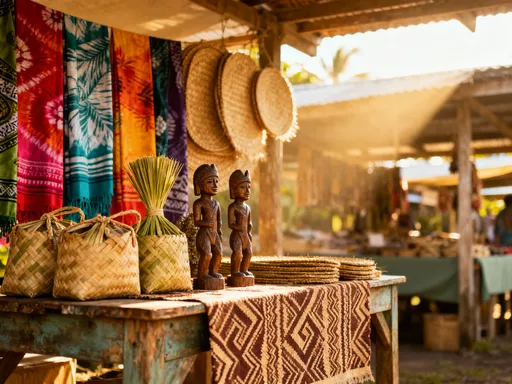
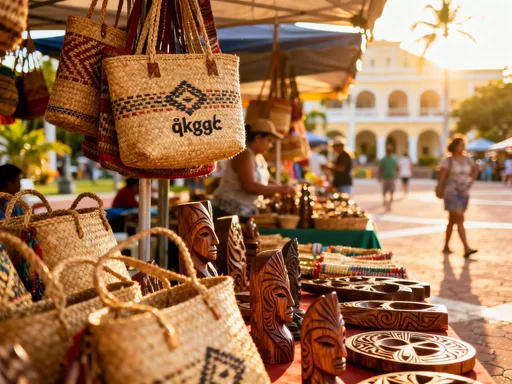
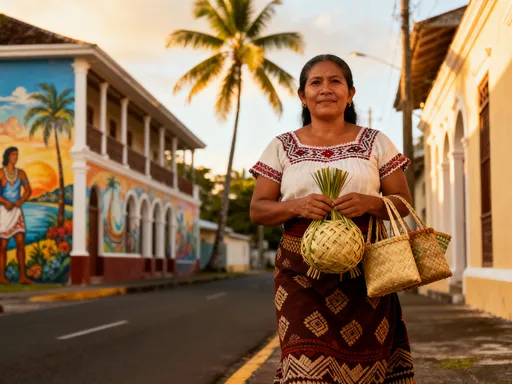
One of the most touching discoveries in Agana was the thriving tradition of handmade crafts, where art is not a commodity but an expression of identity. In small workshops and open-air markets, artisans practice skills that have been passed down for generations. I met a woman named Rosa, who spends hours each day weaving lauhala, a mat made from the leaves of the pandanus tree. Her hands moved with precision, folding and stitching the dried strips into intricate patterns that told stories of the ocean, family, and resilience. Each mat takes weeks to complete, and every one is unique—not mass-produced, but imbued with the weaver’s spirit.
Another artisan, a woodcarver named Juan, works with ifil wood, a durable native timber used in traditional construction and carving. He creates bowls, figurines, and decorative panels featuring motifs from Chamorro mythology—turtles, flying foxes, and ancestral spirits. He explained that the choice of material is not arbitrary; ifil is strong and long-lasting, just like the culture it represents. The carvings are not made for decoration alone—they serve as reminders of who the Chamorro people are and where they come from.
These crafts are taught in cultural centers and community programs, ensuring that younger generations can learn and continue the traditions. I visited a youth workshop where teenagers were learning to weave and carve under the guidance of elders. The atmosphere was one of quiet focus and mutual respect. There was no pressure to rush or perfect—only the encouragement to try, to listen, and to connect. The goal is not to produce perfect souvenirs, but to pass on knowledge, patience, and pride.
When travelers purchase these handmade items, they are not just buying a keepsake—they are supporting a living culture. Unlike factory-made trinkets sold in tourist shops, these crafts carry stories, effort, and meaning. They are tangible expressions of a people’s resilience and creativity. To own one is to hold a piece of Agana’s soul, a reminder that true beauty lies in authenticity, not mass production.
Navigating Agana: Practical Insights for Meaningful Visits
For travelers seeking a deeper experience, Agana offers rich opportunities—but it requires intention and respect. The best time to visit is during cultural festivals such as Guam History and Chamorro Heritage Day in March or the Fiesta de Agana in July, when the city comes alive with traditional music, dance, food, and craft demonstrations. These events are not staged for tourists; they are genuine community celebrations, and visitors are welcomed as long as they observe with humility and courtesy.
Getting around Agana is easiest on foot or by local bus. The city center is compact, and walking allows for spontaneous discoveries—stumbling upon a small chapel, overhearing a conversation in Chamorro, or catching the scent of fresh bread from a neighborhood bakery. For those with limited mobility, taxis and ride-sharing services are available, though schedules can be unpredictable. Renting a car offers more flexibility, especially for visiting nearby historical sites like the latte stone park in Pago or the War in the Pacific National Historical Park.
When engaging with locals, a few etiquette guidelines go a long way. Always ask permission before taking photos, especially at cultural or religious sites. Greet people with a simple “Håfa adai” (hello), and show appreciation for their hospitality. Avoid treating traditions as spectacles—observe quietly, listen more than you speak, and resist the urge to turn sacred moments into social media content. Supporting local businesses—family-run eateries, craft vendors, and small shops—ensures that tourism benefits the community directly.
Most importantly, approach Agana with an open heart and a willingness to learn. This is not a destination for fast sightseeing or checklist tourism. It is a place to slow down, to be present, and to connect. The rewards are not in the number of photos taken, but in the depth of understanding gained.
Why Agana Matters: A Case for Slow, Intentional Travel
What I discovered in Agana was not just a new destination, but a new way of traveling. In a world where tourism often means crowded beaches, packaged tours, and superficial experiences, Agana stands as a quiet alternative. It asks us to move slowly, to listen deeply, and to value presence over productivity. This city does not shout for attention—it whispers, inviting those who are willing to pause and pay attention.
Agana matters because it reminds us of the importance of cultural authenticity. In an age of globalization, where places risk becoming homogenized, Agana holds fast to its identity. It does not perform for outsiders. It lives on its own terms. To visit here is to witness a culture that has survived colonization, war, and modernization without losing its essence. It is a testament to resilience, continuity, and the power of community.
Short-term immersion in such a place fosters long-term appreciation. When we take the time to understand how food is made, how stories are told, how crafts are created, we develop a deeper respect for the people who keep these traditions alive. We begin to see culture not as a display, but as a way of life. And in that understanding, we grow—not just as travelers, but as human beings.
Agana teaches humility. It shows us that the most meaningful experiences are often the quietest—the shared meal, the handwoven mat, the chant under the stars. It challenges us to look beyond the obvious attractions and seek connection over convenience. In doing so, we honor not only the places we visit, but our shared humanity. Agana may be small in size, but its lessons are vast. It is a quiet teacher of heritage, belonging, and the enduring power of tradition. And for those willing to listen, it has much to say.