You Won’t Believe What I Found in Halifax’s Hidden Corners
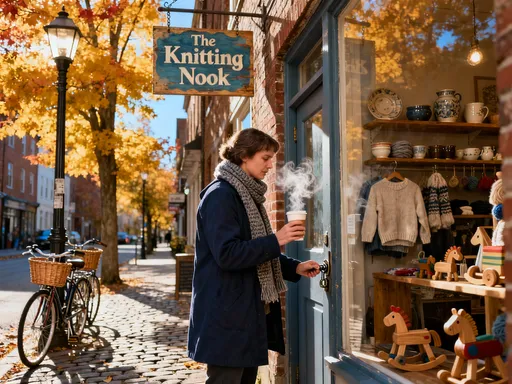
Halifax isn’t just a pit stop—it’s a slow travel dream hiding in plain sight. I spent a week wandering its quiet streets, sipping coffee in sunlit nooks, and discovering how its commercial areas pulse with local soul. Forget rushed checklists. Here, time slows, details shine, and every shop tells a story. If you're craving authentic moments over tourist traps, Halifax delivers—quietly, beautifully, unexpectedly.
Why Halifax? The Allure of Atlantic Canada’s Underrated Gem
Often overshadowed by larger Canadian cities like Toronto or Vancouver, Halifax shines with a quiet confidence that rewards those who take the time to look closely. Nestled along the eastern shore of Nova Scotia, this coastal capital offers a rare blend of maritime charm, cultural depth, and urban accessibility without the overwhelming pace of bigger metropolises. Its compact downtown core makes it ideal for slow travel, where a leisurely walk can unfold layers of history, flavor, and human connection.
What sets Halifax apart is not grand monuments or flashy attractions, but its authenticity. The city doesn’t perform for tourists—it lives. Residents walk their dogs along cobblestone lanes, artists sketch in park corners, and neighbors greet each other by name at corner stores. This rhythm of real life infuses every neighborhood, from the historic waterfront to the vibrant North End. For travelers seeking meaningful experiences over checklist tourism, Halifax offers a refreshing alternative: a place where discovery happens not through guided tours, but through presence.
The city’s coastal setting enhances its appeal. Bordered by the Atlantic Ocean, Halifax enjoys crisp sea air, dramatic skies, and sunsets that paint the harbor in gold and rose. Yet it remains accessible year-round, with a temperate climate that allows for comfortable exploration in every season. Whether you’re strolling along the boardwalk in spring or browsing a winter market under string lights, the city maintains its warmth—both in weather and spirit. This balance of natural beauty and human-scale living makes Halifax an underrated gem worth savoring slowly.
Starting in the Heart: Exploring the Historic Downtown Core
The heartbeat of Halifax begins in its downtown core, where past and present coexist in elegant harmony. Grafton Street, Spring Garden Road, and Barrington Street form the central arteries of daily life, lined with 19th-century brick buildings repurposed into cozy cafés, independent boutiques, and art studios. Unlike cities where historic facades are preserved only for show, here they serve living functions—bookstores in converted banks, bakeries in former warehouses—blending heritage with modern vitality.
Walking through these streets feels like stepping into a story where every doorway holds a chapter. On Spring Garden Road, sunlight filters through tree canopies onto sidewalk benches where people read, chat, or simply pause with a tea in hand. The pedestrian-friendly design encourages lingering, with wide sidewalks, crosswalks timed for comfort, and public art installations that invite curiosity. It’s not uncommon to see a street musician playing fiddle tunes near a mural depicting Mi’kmaq heritage, a reminder of the region’s deep roots.
Among the standout experiences is browsing at independent bookshops like Bookmark or Box of Delights, where shelves are curated with care and staff offer thoughtful recommendations. These spaces aren’t just retail—they’re cultural hubs. Nearby, local art galleries such as the Anna Leonowens Gallery showcase emerging Atlantic Canadian talent, often featuring works inspired by the sea, landscape, and community. There’s a sense that creativity isn’t confined to institutions; it spills into the streets, cafés, and storefronts, making art part of everyday life.
What makes this area truly special is its lack of pretense. There are no chain megastores dominating the blocks—instead, family-run shops and small entrepreneurs thrive. A greeting from a shopkeeper isn’t performative; it’s genuine. This human touch transforms shopping from transaction to interaction, reinforcing the idea that travel is not just about seeing places, but connecting with people.
A Morning Ritual: Coffee Culture and Local Flavors
In Halifax, coffee is more than a morning necessity—it’s a ritual that anchors the day. Across the city, independent cafés serve as sanctuaries for reflection, conversation, and creativity. From the first sip of a locally roasted latte to the buttery flake of a handmade scone, these moments are designed to be savored. The city’s café culture reflects its values: quality over quantity, craftsmanship over convenience, and community over speed.
One might begin the day at Java Blend on Grafton Street, where the scent of freshly ground beans mingles with the sound of soft jazz. The baristas know regulars by name and remember their usual orders—a small detail that speaks volumes. Or perhaps at Panelhead Coffee on Gottingen, housed in a former industrial space with exposed beams and large windows that flood the room with light. Here, patrons sit with notebooks, sketchbooks, or laptops, immersed in their thoughts, yet never isolated. The café hums with a quiet energy—a shared understanding that this is a space for both productivity and pause.
The sensory experience is integral to the moment. The rich aroma of dark roast blends, the gentle clink of ceramic cups, the warmth of a sunlit corner seat—all contribute to a mindfulness that aligns perfectly with slow travel. These spaces encourage unplugging, breathing deeply, and being present. Even a brief stop for coffee becomes an act of immersion, offering a window into local rhythms and preferences.
Many cafés also highlight regional ingredients—blueberry preserves from nearby farms, honey from urban hives, or pastries made with Maritime-grown grains. This emphasis on locality reinforces a deeper connection between food, place, and people. It’s not just about what you consume, but where it comes from and who made it. In Halifax, coffee isn’t rushed—it’s respected, a small daily ceremony that invites travelers to slow down and truly taste the city.
The Weekend Pulse: Market Days at the Halifax Seaport Farmers’ Market
Every Saturday, the Halifax Seaport Farmers’ Market comes alive as one of Canada’s oldest and most cherished public markets. Housed in a modern waterfront building with panoramic views of the harbor, it’s a gathering place where food, craft, and community converge. With over 250 vendors operating year-round, the market is a feast for the senses—colorful produce displays, the smoky scent of grilled sausages, the melodic calls of artisans offering handmade goods.
Founded in 1750, the market has evolved while staying true to its roots. Today, it remains a hub for local farmers, fishers, bakers, and artisans who bring their harvests and crafts directly to the public. Visitors can find everything from crisp apples grown in Annapolis Valley orchards to hand-thrown pottery from rural studios. Regional specialties like smoked herring, dulse seaweed, and blueberry grunt—a traditional Nova Scotian dessert—are proudly displayed, offering a taste of authentic Maritime culture.
What makes the market more than just a shopping destination is the interaction it fosters. Conversations flow easily between vendors and customers. A cheese maker might explain how her goats are pasture-raised, or a fishmonger might share tips on preparing fresh Atlantic cod. These exchanges transform transactions into relationships, grounding the experience in trust and transparency. For travelers, this is invaluable—it’s a chance to hear stories behind the products, to understand the land and labor that shaped them.
The market also serves as a cultural touchstone, hosting live music, cooking demonstrations, and seasonal celebrations. In December, holiday stalls light up with handmade ornaments and mulled cider; in summer, outdoor seating fills with people enjoying lobster rolls and cold cider. It’s a place where locals bring their families, where newcomers are welcomed with a sample of honey butter, and where travelers can feel, if only for a morning, like they belong. This sense of inclusion is what defines Halifax—not as a city to visit, but as a community to join, even briefly.
Beyond the Main Streets: Hidden Commercial Pockets in North End
Just beyond downtown lies the North End, a neighborhood pulsing with creative energy and grassroots authenticity. Once an industrial district, it has transformed into a cultural hotspot without losing its soul. Gottingen Street and Alderney Lane are the twin spines of this evolution, lined with record stores, vintage boutiques, craft breweries, and street art that tells stories of resilience and reinvention.
Here, commerce feels personal. At Sobeys’ Records, a legendary shop with floor-to-ceiling bins of vinyl, music lovers flip through jazz, punk, and folk albums while the owner shares recommendations with infectious enthusiasm. Nearby, thrift stores like Value Village and smaller consignment shops offer curated finds—wool coats, mid-century lamps, leather boots—all with history embedded in their seams. These spaces aren’t just about consumption; they’re about curation, storytelling, and sustainability.
The North End also embraces its artistic identity. Studios like the Halifax North Memorial Public Library’s maker space offer workshops in screen printing, pottery, and digital design, fostering creativity among residents of all ages. Murals cover alleyways and building sides, many created through community-led initiatives that celebrate Black Nova Scotian heritage, environmental stewardship, and local heroes. This public art isn’t decorative—it’s educational, affirming, and deeply rooted in place.
Yet, with growth comes tension. Gentrification is a real concern, as rising rents threaten long-time residents and small businesses. However, community organizations and city planners are working to preserve affordability and inclusivity. Initiatives like the North End Community Urban Development Association support local entrepreneurs and advocate for equitable development. As a result, the neighborhood maintains a delicate balance—welcoming newcomers while honoring its history and diversity. For travelers, this duality offers a richer understanding of urban change, reminding us that vibrant cities are built not just on aesthetics, but on justice and care.
Slow Shopping: Supporting Local Makers and Sustainable Brands
In Halifax, shopping is reimagined as an act of connection rather than consumption. A growing number of stores prioritize sustainability, craftsmanship, and local sourcing, offering alternatives to mass-produced goods. These shops invite travelers to think differently about what they buy—not as souvenirs, but as meaningful tokens of place and people.
At places like The Storehouse on Agricola Street, visitors find zero-waste essentials: glass jars for bulk foods, reusable produce bags, wooden utensils, and natural cleaning products. The emphasis is on reducing waste and supporting circular economies. Staff are eager to explain how small changes—like switching to a bamboo toothbrush—can have broader environmental impacts. This educational approach transforms shopping into a values-driven experience.
Elsewhere, boutiques like Two if by Sea and Shore Leave showcase handmade jewelry, textiles, and ceramics from Atlantic Canadian artists. Many pieces incorporate natural materials—driftwood, sea glass, wool from local sheep—tying the objects directly to the region’s landscape. When you purchase a hand-knit sweater or a hand-thrown mug, you’re not just acquiring an item; you’re carrying a piece of Halifax’s spirit with you.
The city’s textile tradition is particularly strong. Nova Scotian wool, known for its warmth and durability, is used by local knitters and weavers to create scarves, blankets, and mittens. Some shops partner with Mi’kmaq artisans to offer traditional beadwork and quillwork, ensuring Indigenous craftsmanship is recognized and respected. These collaborations are not performative—they are built on long-term relationships and fair compensation.
By choosing to support these makers, travelers contribute to a more ethical and sustainable economy. They help preserve traditional skills, reduce environmental harm, and strengthen community resilience. In a world of fast fashion and disposable goods, Halifax offers a different model—one where every purchase tells a story of care, intention, and place.
Connecting Through Commerce: How Halifax’s Streets Build Community
In most cities, commercial areas are designed for efficiency—malls with identical stores, strip plazas with drive-thrus, tourist zones with generic souvenirs. Halifax takes a different path. Here, commerce is interwoven with community life, creating spaces where people don’t just shop, but belong.
On any given afternoon, you’ll see neighbors meeting for coffee, parents pushing strollers past flower stands, or friends running into each other outside a record shop. These spontaneous encounters are not incidental—they are the result of thoughtful urban design and a culture that values face-to-face connection. Main streets are wide enough for conversation, benches are plentiful, and storefronts are inviting, not intimidating.
Unlike impersonal shopping centers, Halifax’s commercial districts function as social infrastructure. The corner store isn’t just a place to buy milk; it’s where news is shared, where lost pets are reported on flyers, where kids get a free cookie on Fridays. The café isn’t just a caffeine stop; it’s where job seekers practice interviews, where artists plan exhibitions, where elders read the paper in peace. These spaces nurture trust, familiarity, and a sense of collective care.
For travelers, this means immersion happens naturally. You don’t need a guided tour to understand Halifax—you can learn it by sitting in a park and watching how people interact, by asking a vendor about their favorite hiking trail, or by joining a community cleanup organized by a local shop. These moments of connection are the true heart of travel. They remind us that cities are not collections of landmarks, but networks of relationships.
Halifax proves that even small urban centers can foster deep belonging. Its streets are not just pathways from one place to another—they are stages for daily life, where commerce and community coexist in harmony. In a world that often feels fragmented, this model offers hope: that places can be both vibrant and humane, both modern and rooted.
Closing Thoughts: Rethinking Travel One Neighborhood at a Time
Halifax doesn’t shout for attention. It doesn’t need towering skyscrapers or crowded attractions to prove its worth. Instead, it invites you in—quietly, gently, sincerely. A week spent here reveals a truth often lost in modern travel: that the most meaningful experiences aren’t found in ticking off landmarks, but in pausing long enough to notice the details.
It’s in the steam rising from a coffee cup on a chilly morning, the laughter at a market stall, the hand-drawn sign in a bookstore window. It’s in the way a city can feel both new and familiar, both local and welcoming. Halifax teaches us to travel with intention—to move slowly, listen closely, and engage deeply.
In doing so, we don’t just see a place—we become part of it, if only for a moment. We support local economies, honor cultural traditions, and build connections that transcend tourism. We learn that authenticity isn’t found in curated experiences, but in the unscripted moments between people.
So the next time you plan a trip, consider stepping off the beaten path. Seek out cities like Halifax—places that don’t demand your awe, but earn your affection. Walk their streets not to cover ground, but to uncover stories. Because the world’s best travel experiences aren’t measured in miles, but in moments of quiet wonder. And sometimes, the most unforgettable discoveries are the ones you never expected to find.