Why Exercise Might Be the Best Hair Care Secret You’ve Never Tried
You’ve probably heard that stress and diet affect your hair—but what if your workout routine could be just as important? Science is now showing a strong connection between physical activity and healthier hair. I dug into the research and found surprising ways exercise supports scalp circulation, balances hormones, and reduces hair loss triggers. This isn’t about miracle cures—it’s about real, science-backed changes. Let’s explore how moving your body might be the most natural boost your hair has been missing.
The Hidden Link Between Sweat and Shine
For decades, the beauty industry has emphasized external solutions for hair health: shampoos that promise volume, serums that claim to strengthen strands, and oils marketed to revive dull locks. While these products have their place, they often overlook a deeper truth—true hair vitality begins beneath the surface. Increasing evidence suggests that internal wellness, particularly cardiovascular health, plays a foundational role in maintaining thick, resilient hair. At the heart of this connection is one critical factor: blood circulation.
During aerobic exercise—such as brisk walking, cycling, or swimming—the body increases blood flow to deliver oxygen and nutrients to active tissues. This includes the scalp, where thousands of tiny capillaries surround each hair follicle. These microscopic vessels are responsible for transporting essential nutrients like iron, biotin, and amino acids directly to the root of each strand. When circulation improves, so does the nourishment available to growing hair. Studies using Doppler imaging have demonstrated measurable increases in scalp blood flow following moderate-intensity workouts, suggesting that even short bouts of movement can create a more supportive environment for hair growth.
The mechanism is straightforward: physical activity stimulates the heart to pump more efficiently, raising overall circulation. As blood velocity increases, so does the delivery of oxygen and metabolic fuel to peripheral areas—including the scalp. Simultaneously, enhanced circulation aids in removing waste products like carbon dioxide and excess sebum, which can clog follicles if left unchecked. Over time, this dynamic process helps maintain follicular health and may reduce the risk of premature shedding.
Interestingly, skincare science has long recognized the importance of circulation for a radiant complexion. Facial toners and massage tools are often promoted to “bring blood to the surface” for a healthy glow. Yet, until recently, haircare has lagged behind in embracing this principle. New research, however, is shifting that perspective. Dermatologists and trichologists alike are beginning to view exercise not just as a general wellness tool, but as a legitimate component of a comprehensive hair health strategy. The takeaway is clear: what benefits your heart and muscles may also be nourishing your hair—one heartbeat at a time.
How Stress Drains Your Hair (And How Exercise Fights Back)
Many women notice sudden hair shedding after a stressful life event—perhaps following an illness, a major work deadline, or a period of emotional upheaval. This type of hair loss, known clinically as telogen effluvium, occurs when a significant number of hair follicles shift prematurely from the growth phase (anagen) into the resting phase (telogen), eventually leading to increased shedding several weeks or months later. While not permanent, it can be alarming and emotionally taxing, especially when no topical product seems to help.
The primary driver behind this shift is the stress hormone cortisol. When the body experiences prolonged psychological or physiological stress, the adrenal glands release higher levels of cortisol into the bloodstream. Elevated cortisol disrupts the normal hair growth cycle by shortening the anagen phase and pushing more follicles into dormancy. Over time, this imbalance leads to thinner, weaker hair and a noticeable reduction in overall density. What many don’t realize is that this process is systemic—it’s not confined to the scalp, but reflects the body’s broader response to chronic stress.
Here’s where exercise becomes a powerful counterbalance. Numerous studies have shown that regular physical activity helps regulate the hypothalamic-pituitary-adrenal (HPA) axis, the body’s central stress response system. Moderate aerobic exercise, in particular, has been linked to lower baseline cortisol levels and improved resilience to daily stressors. One study published in the journal Psychoneuroendocrinology found that individuals who engaged in consistent moderate exercise exhibited a faster return to baseline cortisol levels after stress exposure compared to their sedentary counterparts.
Even more encouraging, the benefits don’t require intense gym sessions. A daily 30-minute brisk walk, gentle yoga flow, or a leisurely bike ride around the neighborhood can produce measurable improvements in stress regulation. These activities stimulate the release of endorphins and other mood-stabilizing neurotransmitters like serotonin and dopamine, which naturally buffer the effects of cortisol. Over time, this creates a more balanced internal environment—one where hair follicles are less likely to be pushed into early dormancy.
For women managing busy households, caregiving responsibilities, or career demands, integrating movement into daily life isn’t just about fitness—it’s a form of self-care that supports every system in the body, including hair. By helping the body manage stress more effectively, exercise acts as a quiet but consistent protector of hair integrity, reducing one of the most common yet overlooked triggers of shedding.
Hormones in Motion: Exercise’s Balancing Act
Hormonal balance is a cornerstone of overall health, and its impact on hair is profound. Among the various hormones involved, androgens—particularly dihydrotestosterone (DHT)—play a key role in hair thinning, especially in individuals with a genetic predisposition to pattern hair loss. While often associated with men, DHT affects women too, contributing to gradual thinning along the part line and crown. The good news is that lifestyle factors, including physical activity, can influence how these hormones behave in the body.
DHT is a derivative of testosterone, produced through the action of the enzyme 5-alpha reductase. When DHT binds to sensitive hair follicles, it can cause them to shrink over time, shortening the growth cycle and producing finer, shorter hairs—a condition known as androgenetic alopecia. While genetics determine sensitivity to DHT, recent clinical observations suggest that metabolic and hormonal activity can be modulated by behavior. Sedentary lifestyles, insulin resistance, and excess body fat have all been linked to higher circulating androgen levels, creating a less favorable environment for hair retention.
Exercise helps counteract this trend by improving insulin sensitivity, reducing visceral fat, and supporting liver function—all of which contribute to healthier hormone metabolism. Regular physical activity has been shown to lower free testosterone levels and decrease the conversion of testosterone to DHT. Additionally, exercise enhances the production of sex hormone-binding globulin (SHBG), a protein that binds to sex hormones and reduces their bioavailability. Higher SHBG levels mean less free DHT circulating in the bloodstream, potentially slowing the progression of hormone-related hair thinning.
It’s important to note that exercise alone will not reverse genetic balding, nor should it be seen as a replacement for medical treatments when indicated. However, it can serve as a valuable supportive measure. Women who maintain consistent activity patterns often report improved hair texture and reduced shedding over time, even without other interventions. This isn’t due to a single workout, but to the cumulative effect of better hormonal regulation. The message is empowering: while you can’t change your genes, you can influence how they express themselves through daily choices.
The Inflammation Factor: Why Your Scalp Needs Anti-Inflammatory Support
Inflammation is a natural immune response, but when it becomes chronic, it can wreak havoc on multiple systems—including the scalp. Low-grade systemic inflammation has been linked to a range of conditions, from joint discomfort to cardiovascular concerns, and increasingly, to hair health. Elevated levels of inflammatory markers such as C-reactive protein (CRP) and interleukin-6 (IL-6) have been observed in individuals experiencing hair thinning and scalp sensitivity.
On the scalp, chronic inflammation can damage hair follicles, disrupt the growth cycle, and contribute to conditions like seborrheic dermatitis—a common cause of flaking, redness, and itching. Inflammatory cells can infiltrate the follicular environment, leading to oxidative stress and micro-injury that impair regeneration. Over time, this creates a hostile terrain for healthy hair development. The good news is that lifestyle choices, particularly exercise, can significantly reduce systemic inflammation.
Moderate-intensity exercise—such as brisk walking, swimming, or resistance training—has been consistently associated with lower levels of inflammatory markers. During physical activity, muscles release myokines, which are signaling proteins that exert anti-inflammatory effects throughout the body. One of the most well-studied myokines, interleukin-10 (IL-10), helps suppress pro-inflammatory cytokines and supports immune balance. Regular movement also improves circulation, enhances antioxidant defenses, and supports healthy gut function—all of which contribute to reduced inflammation.
However, balance is key. While moderate exercise lowers inflammation, excessive or high-intensity training without adequate recovery can have the opposite effect. Overtraining elevates cortisol and increases oxidative stress, potentially worsening inflammation and triggering hair shedding. This underscores the importance of sustainability. Public health guidelines recommend 150 minutes of moderate aerobic activity per week—such as 30 minutes, five days a week—as the ideal “sweet spot” for maximizing anti-inflammatory benefits without overburdening the body.
For women navigating perimenopause or other hormonal transitions, this balance is especially crucial. Hormonal fluctuations can increase baseline inflammation, making the scalp more vulnerable. A steady, consistent exercise routine offers a natural way to support immune regulation and create a healthier environment for hair growth—one that complements diet, sleep, and stress management.
Designing an Effective Hair-Boosting Exercise Routine
Knowing that exercise supports hair health is one thing—putting it into practice is another. The key is to design a routine that is sustainable, enjoyable, and aligned with general health guidelines. Rather than focusing on extreme workouts or rapid results, the goal should be consistency over time. A well-rounded regimen includes cardiovascular exercise, resistance training, and flexibility work, each contributing uniquely to the internal environment that supports strong, vibrant hair.
Cardiovascular activity is particularly effective for boosting circulation and reducing stress. Brisk walking, cycling, dancing, or using an elliptical machine for 30 minutes most days of the week can significantly improve blood flow and lower cortisol. These activities don’t need to be strenuous—maintaining a pace where you can talk but not sing is typically sufficient to gain benefits. For women with joint concerns, low-impact options like swimming or water aerobics provide excellent alternatives.
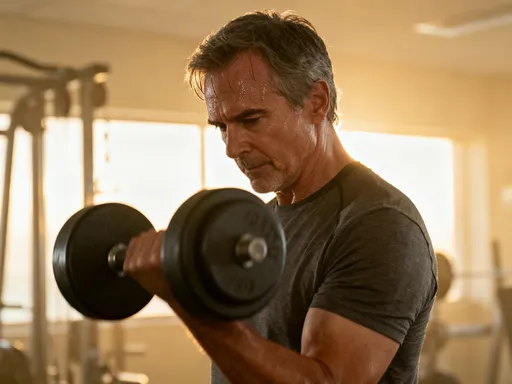
Resistance training, such as bodyweight exercises, light weights, or resistance bands, plays a complementary role. Building lean muscle mass improves insulin sensitivity, supports hormone balance, and increases metabolic efficiency. Just two sessions per week—focusing on major muscle groups like legs, back, arms, and core—can make a meaningful difference. Simple routines like squats, push-ups (modified if needed), lunges, and planks can be done at home with minimal equipment.
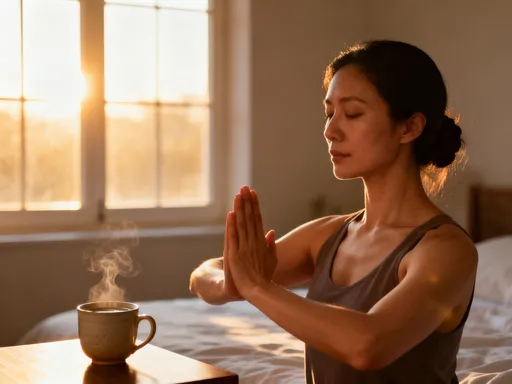
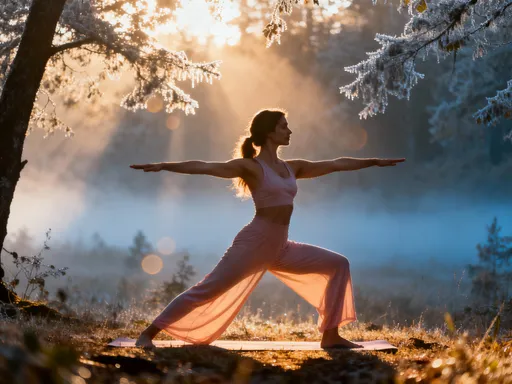
Flexibility and mind-body practices, including yoga and stretching, further enhance the benefits. These activities reduce muscle tension, improve posture, and support relaxation—factors that indirectly benefit hair by lowering stress and improving sleep. Gentle yoga sequences in the evening can also promote parasympathetic activation, helping the body transition into rest and recovery mode.
It’s also important to avoid common pitfalls. Some women turn to intense exercise combined with restrictive eating in an effort to improve appearance, but this approach can backfire. Severe calorie restriction, especially when paired with high-volume workouts, may trigger nutritional deficiencies and increase stress hormones—both of which can worsen hair loss. Instead, the focus should be on nourishing the body, not depleting it. Eating balanced meals with adequate protein, healthy fats, and complex carbohydrates supports both energy levels and hair health.
Ultimately, the best routine is one that fits into real life. It doesn’t require a gym membership or hours of time. A morning walk with a podcast, a midday stretch break, or an evening dance session with family can all contribute. The cumulative effect of daily movement is what matters most for long-term hair vitality.
Beyond the Gym: Sleep, Recovery, and Their Role in Hair Regrowth
Exercise doesn’t work in isolation—it’s part of a larger ecosystem of health that includes sleep, recovery, and circadian rhythm. These elements are deeply interconnected, and each plays a role in hair regeneration. Physical activity has been shown to improve sleep quality, particularly by increasing the duration of deep sleep stages, during which tissue repair and cellular regeneration occur. This includes the hair follicle, which undergoes renewal and growth primarily during rest.
Deep sleep triggers the release of growth hormone, which supports collagen production, skin elasticity, and follicular repair. It also allows the body to rebalance hormones, reduce inflammation, and restore energy reserves. When sleep is disrupted or insufficient, these processes are impaired, potentially leading to increased shedding and slower regrowth. Women who struggle with insomnia or fragmented sleep often report concurrent hair concerns, highlighting the link between rest and resilience.
Exercise enhances sleep by regulating the body’s internal clock and increasing melatonin production—the hormone that signals nighttime. However, timing matters. Vigorous workouts too close to bedtime can elevate heart rate and adrenaline, making it harder to wind down. For optimal results, it’s generally best to complete intense exercise at least three hours before bed. Light stretching, restorative yoga, or a short walk in the evening, on the other hand, can promote relaxation and prepare the body for rest.
Recovery is equally important. Just as muscles need time to repair after a workout, so do the body’s systems that support hair. Overtraining without adequate rest can lead to fatigue, hormonal imbalance, and increased inflammation—all of which may negatively impact hair. Listening to your body, incorporating rest days, and prioritizing downtime are essential components of a hair-supportive lifestyle.
Creating a nighttime routine that supports recovery—such as dimming lights, avoiding screens, and practicing mindfulness—can amplify the benefits of daytime activity. When movement and rest are in harmony, the body operates at its best, creating the ideal conditions for healthy hair growth from within.
Putting It All Together: A Science-Supported Lifestyle Shift
The journey to healthier hair is not about finding a single miracle solution, but about cultivating a lifestyle that supports the body’s natural processes. Exercise emerges as a powerful, accessible, and often overlooked ally in this effort. Through its effects on circulation, stress reduction, hormone balance, inflammation control, and sleep quality, physical activity addresses multiple pathways that influence hair health.
No single workout will transform your hair overnight, but consistent, moderate movement—when combined with proper nutrition and rest—creates a foundation for long-term vitality. Unlike topical treatments that work on the surface, exercise supports hair from the inside out, nourishing follicles at a cellular level. It’s a form of care that benefits the whole self, not just appearance.
Genetics do play a role in hair patterns, but they are not destiny. Lifestyle factors are modifiable, and their impact is profound. By choosing to move your body regularly, you’re not just investing in heart health or weight management—you’re also sending a message of care to every cell, including those that grow your hair.
In a world where beauty standards can feel overwhelming, this approach offers something deeper: empowerment through self-care. Taking a walk, stretching, or lifting light weights isn’t just about fitness—it’s an act of nurturing, a daily commitment to well-being. And when you care for your body with intention, your hair may just become one of the many visible signs of that inner strength and balance.