How My Hobbies Quietly Transformed My Health for the Better
You don’t need a gym membership or a strict diet to boost your health—sometimes, it’s the small things that matter most. I didn’t realize how much my everyday hobbies were shaping my well-being until I stepped back and noticed the changes. From gardening to playing music, these activities did more than fill my time—they lowered my stress, sharpened my focus, and even improved my sleep. This is how I discovered the hidden health power in the things I love to do.
The Overlooked Link Between Hobbies and Health
Hobbies are often seen as simple pastimes—activities we return to when work is done, chores are finished, and the house is quiet. They include pursuits like knitting, baking, walking in nature, painting, or playing a musical instrument. Yet, despite their reputation as leisurely or even indulgent, hobbies play a far more significant role in health than many realize. They are not just distractions from daily stress; they are active contributors to emotional balance, mental clarity, and physical vitality.
There is a common misconception that hobbies are unproductive, especially when compared to goal-oriented tasks like career advancement or household management. Some women in their thirties to fifties may feel guilty for spending time on something that doesn’t yield visible results. But this view overlooks a crucial truth: rest and enjoyment are not the opposite of productivity—they are its foundation. When the mind and body are restored, everything from decision-making to patience improves.
Research in behavioral health has long suggested that people who engage in regular, enjoyable activities report higher levels of life satisfaction and lower levels of emotional distress. These benefits are not limited to any single type of hobby. Whether the activity is quiet and solitary, like journaling or tending to houseplants, or more dynamic, like dancing or volunteering at a community garden, the positive effects are consistent. The key lies not in the hobby itself, but in the act of choosing something that brings genuine pleasure.
What makes hobbies uniquely powerful is their ability to provide intrinsic motivation. Unlike exercise routines that may feel like obligations or meditation practices that require discipline, hobbies draw us in naturally. When someone loses track of time while arranging flowers or writing poetry, they are experiencing what psychologists call ‘intrinsic reward’—a deep sense of fulfillment that comes from the activity itself. This internal satisfaction is closely tied to improved mood regulation and long-term emotional resilience.
Why Your Brain Craves Creative Downtime
The modern brain is under constant demand. From managing family schedules to navigating work responsibilities, the cognitive load on women in midlife can be overwhelming. The brain’s executive functions—those responsible for planning, decision-making, and problem-solving—are like muscles that tire with overuse. Without recovery, mental fatigue sets in, leading to irritability, forgetfulness, and difficulty concentrating.
This is where hobbies serve as a quiet form of mental restoration. When a person engages in a creative or absorbing activity, such as sketching, baking bread from scratch, or restoring old furniture, the brain shifts out of high-alert mode. Scientists refer to this shift as activation of the default mode network, a collection of brain regions that become more active when we are not focused on external tasks. This network is essential for self-reflection, memory consolidation, and emotional processing.
Unlike passive activities like scrolling through social media or watching television, hands-on hobbies require just enough attention to occupy the mind without overloading it. This sweet spot—challenging enough to be engaging, but not so difficult as to cause frustration—allows the brain to rest while still being active. It’s similar to how a gentle walk in the park can clear the mind more effectively than lying on the couch.
Consider the experience of someone who has spent the day managing emails, helping children with homework, and preparing dinner. By evening, her thoughts may feel scattered. But when she sits down to crochet a baby blanket for her sister’s new arrival, something shifts. The rhythmic motion of the needles, the soft texture of the yarn, and the quiet focus on each stitch create a mental reset. Within minutes, her breathing slows, her shoulders relax, and a sense of calm returns. This is not mere distraction—it is neurological recovery in action.
Creative hobbies also support emotional regulation. When words fail, expression can still happen through color, pattern, or movement. A woman who paints may not be able to articulate her feelings about a recent loss, but the shades of blue and gray on her canvas can reflect her inner state. This nonverbal processing helps the brain integrate difficult emotions without the pressure of having to explain them. Over time, this builds emotional strength and reduces the risk of chronic stress-related conditions.
Stress Relief That Doesn’t Feel Like Therapy
Many people turn to structured methods for managing stress—guided meditation, therapy sessions, or breathing exercises. While these tools are valuable, they often require intention, effort, and time that may feel hard to find. Hobbies, on the other hand, offer a more organic path to relaxation. They don’t require a formal start or end, nor do they demand perfection. The simple act of engaging in something enjoyable can initiate a cascade of calming physiological responses.
When a person becomes absorbed in a favorite activity, the body responds in measurable ways. Heart rate slows, breathing becomes deeper and more regular, and muscle tension decreases. These changes are signs that the parasympathetic nervous system—the body’s ‘rest and digest’ mode—is taking over. This system counteracts the effects of chronic stress, which, if left unchecked, can contribute to high blood pressure, digestive issues, and weakened immunity.
One of the most powerful aspects of hobby engagement is the experience of flow—a state in which time seems to disappear and full attention is focused on the present moment. Flow is not limited to artists or athletes; it can occur while arranging a bouquet of wildflowers, solving a crossword puzzle, or baking a pie with a family recipe. In this state, the mind is not ruminating on the past or worrying about the future. It is fully immersed in what is happening now.
Neurologically, flow is associated with balanced brainwave activity and reduced activity in the amygdala, the brain’s fear center. This means that during hobby time, the brain is not only resting but also recalibrating. The sense of control and accomplishment that comes from completing a project—no matter how small—further reinforces feelings of stability and self-efficacy.
Unlike clinical therapies, which are essential for certain conditions, hobbies offer stress relief without stigma or scheduling pressure. A woman does not need to ‘admit’ she is struggling to enjoy a quiet hour with her watercolors. She can simply begin, and in doing so, gently guide her nervous system back to balance. This makes hobbies an accessible, sustainable form of emotional care—one that fits seamlessly into daily life.
Movement Without the Gym: Active Hobbies That Boost Physical Health
Physical activity is a cornerstone of long-term health, yet many women find traditional exercise routines difficult to maintain. The gym can feel intimidating, structured workouts may seem monotonous, and time constraints often make fitness feel like another item on an already full to-do list. However, movement does not have to come in the form of a 30-minute spin class or a timed run. Many everyday hobbies provide meaningful physical benefits without feeling like exercise.
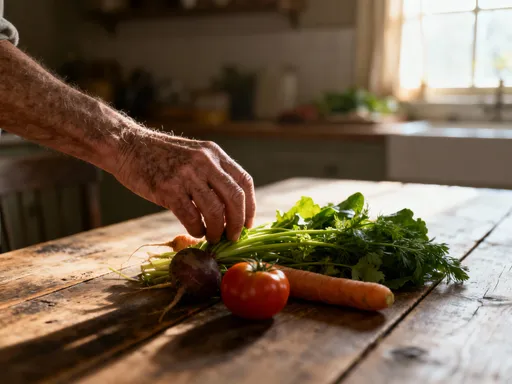
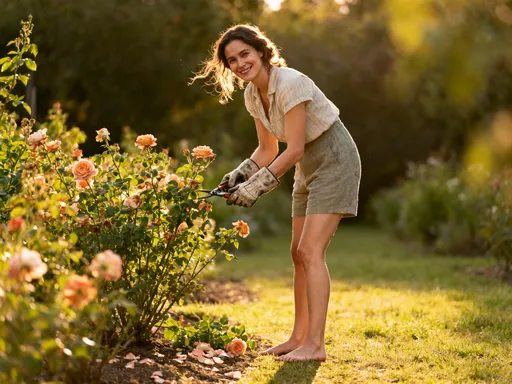
Gardening, for instance, is a full-body activity that involves bending, lifting, stretching, and walking. Digging soil, pulling weeds, and planting seedlings engage core muscles, improve joint flexibility, and support cardiovascular health. Because the focus is on the task—growing vegetables or arranging flowers—the physical effort feels purposeful rather than punitive. Over time, regular gardening can enhance strength, balance, and endurance, all while connecting the individual to nature.
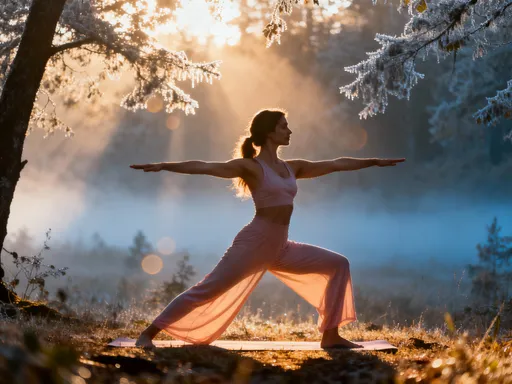
Similarly, dancing—whether alone in the kitchen to a favorite song or in a weekly class—offers cardiovascular benefits while also improving coordination and mood. Unlike treadmill workouts, dancing is inherently joyful. The music, rhythm, and freedom of movement stimulate the release of endorphins, the body’s natural mood enhancers. This combination of physical and emotional reward increases the likelihood that the activity will be repeated, forming a sustainable habit.
Other hobbies like woodworking, quilting, or even walking a dog around the neighborhood also contribute to daily movement. The key is consistency. Low-intensity, sustained physical activity, when accumulated throughout the day, can be just as beneficial as a single intense workout. These activities support circulation, reduce stiffness, and help maintain a healthy weight—all without the pressure of tracking reps or calories.
To maximize the physical benefits of a hobby, small adjustments can be made. A woman who enjoys birdwatching might choose trails that involve gentle inclines. Someone who loves cooking can incorporate more standing and movement by preparing meals from scratch. The goal is not to turn every hobby into exercise, but to recognize and honor the movement that already exists within the activities she loves.
Social Hobbies and the Loneliness Antidote
Loneliness is a growing public health concern, particularly among women in midlife. Changes such as children leaving home, retirement, or the loss of friends can lead to reduced social interaction. While loneliness is often invisible, its impact on health is profound—linked to increased risks of depression, heart disease, and cognitive decline. Yet, one of the most effective ways to combat loneliness is also one of the most enjoyable: participating in social hobbies.
Group-based activities create natural opportunities for connection. Joining a book club, attending a weekly choir practice, or volunteering at a community center provides more than just companionship. These settings offer a shared purpose, a predictable routine, and a sense of belonging—all of which are essential for emotional well-being. Conversations that begin with ‘What did you think of the chapter?’ or ‘Have you tried this stitch?’ can grow into meaningful friendships over time.
What makes social hobbies especially effective is their low-pressure nature. Unlike formal social events that may require small talk or emotional labor, hobby groups focus on a common interest. This shared focus reduces anxiety and makes it easier to connect. A woman who feels nervous in large gatherings may find it easier to open up while working on a group knitting project or planting flowers alongside neighbors.
For those who prefer quieter forms of interaction, online hobby communities offer a flexible alternative. Virtual craft circles, recipe-sharing forums, or photography challenges allow participation from home, at one’s own pace. These digital spaces can be especially valuable for women with mobility challenges, caregiving responsibilities, or social anxiety. The sense of being part of a community—even if interactions are text-based—can significantly reduce feelings of isolation.
Over time, regular social engagement through hobbies builds emotional resilience. It reminds individuals that they are seen, valued, and connected. These moments of shared joy—laughing over a baking mishap, celebrating a finished quilt, or admiring a garden in bloom—accumulate into a stronger sense of self-worth and belonging.
Building a Sustainable Hobby Routine: The Systematic Approach
Knowing that hobbies are beneficial is one thing; making time for them is another. For many women, the challenge is not a lack of interest, but a lack of space in an already full schedule. The solution is not to add more pressure, but to approach hobbies with intention and compassion. The goal is not perfection, but presence.
Choosing the right hobby begins with self-awareness. A woman who feels mentally drained at the end of the day may benefit more from a quiet, repetitive activity like coloring or folding laundry with attention to detail, rather than something demanding like learning a new language. On days when energy is higher, a more active pursuit like hiking or dancing may feel more rewarding. The key is matching the hobby to the need of the moment.
Time does not have to be carved out in large blocks. Even ten to fifteen minutes of focused engagement can be restorative. Scheduling short hobby sessions as if they were medical appointments can help prioritize them. Setting a timer, preparing materials in advance, or pairing the activity with a daily ritual—like listening to music while folding laundry—can make it easier to begin.
It is also important to protect hobbies from becoming performance-based. The value of a hobby lies in the experience, not the outcome. A knitted scarf does not need to be flawless; a garden does not need to win awards. When the focus shifts from ‘producing’ to ‘being,’ the activity regains its healing power. This mindset shift allows women to let go of self-criticism and reconnect with simple joy.
Flexibility is essential. Some weeks, a hobby may be practiced daily; others, it may be set aside for family needs. This is not failure—it is life. The goal is not rigid consistency, but gentle return. Each time a woman picks up her paintbrush or steps into the garden, she reaffirms a commitment to her well-being.
From Awareness to Lifelong Habit: Making the Shift
Once the health benefits of hobbies are recognized, they can no longer be seen as mere distractions. They become essential acts of self-care—quiet revolutions in a world that often equates worth with productivity. The woman who spends an hour arranging dried flowers is not wasting time; she is investing in her nervous system, her creativity, and her long-term health.
This shift in perspective is powerful. It allows women to reclaim leisure as a form of strength, not indulgence. It gives permission to pause, to create, to move, and to connect—without justification. Over time, these moments accumulate into a deeper sense of balance, resilience, and joy.
The journey does not require dramatic changes. It begins with a single choice: to honor what brings light. Whether it’s the smell of fresh soil, the sound of a piano melody, or the quiet focus of threading a needle, these experiences matter. They are not small. They are foundational.
As years pass, the women who nurture their hobbies often find that their hobbies, in turn, nurture them. They sleep better. They handle stress with greater ease. They feel more connected to themselves and others. And in a life filled with responsibilities, they have created a quiet sanctuary of their own—one that is always available, always welcoming, and always healing.