What Your Body Is Whispering About Aging—And Why It Matters
We all want to age well, but few of us truly listen to what our bodies are saying. I started paying attention not because I feared wrinkles, but because I noticed fatigue, slower recovery, and subtle shifts in my energy. That’s when I dove into the real markers—beyond the mirror. These silent health indicators aren’t about looking younger; they’re about being healthier. What if the key to graceful aging isn’t a cream, but a smarter understanding of your inner signals?
The Hidden Language of Aging
As the years pass, the conversation around aging often centers on appearance—graying hair, fine lines, or a changing silhouette. Yet beneath the surface, the body communicates through a more nuanced and meaningful language: one of function, resilience, and internal balance. These signals, often overlooked, are far more telling than any reflection in the mirror. They include shifts in energy levels, changes in how quickly you recover from daily exertion, and even small aches that linger longer than they used to. The body is not simply declining; it is sending messages, quietly urging attention before louder symptoms arise.
Health indicators in the context of aging go beyond the occasional stiffness or tiredness. They encompass measurable and observable signs such as blood pressure, resting heart rate, inflammation levels, metabolic efficiency, sleep quality, and cognitive clarity. These are not abstract medical terms reserved for doctor visits—they are daily experiences. For example, feeling drained despite a full night’s sleep, needing more time to recover after a brisk walk, or noticing that your joints protest after gardening are not trivial inconveniences. They are early whispers of how your body is adapting—or struggling—to the passage of time.
Why do these signals go unnoticed for so long? Part of the answer lies in their gradual nature. Unlike sudden pain or illness, the shifts associated with aging unfold slowly, making them easy to normalize. You might tell yourself, “I’m just getting older,” and dismiss the fatigue as inevitable. But this resignation overlooks a crucial truth: many of these changes are modifiable. The body’s internal environment responds to lifestyle choices, and recognizing these early cues allows for timely intervention. When viewed not as signs of defeat but as invitations to adjust, they become powerful tools for long-term well-being.
Relatable scenarios illustrate this point. Consider a woman in her early fifties who enjoys weekend hikes but now finds she’s sore for days afterward. Or a mother in her late forties who used to thrive on four hours of sleep during busy weeks but now feels mentally foggy by midday. These are not isolated incidents—they are patterns. And when recognized early, they open the door to meaningful change. The goal is not to reverse time, but to align daily habits with the body’s evolving needs, ensuring that aging is not a process of loss, but one of informed adaptation.
Why Numbers Matter More Than Mirrors
Popular culture often equates aging well with looking youthful—smooth skin, firm contours, and a vibrant appearance. As a result, many people invest heavily in skincare, fashion, and cosmetic treatments. While there’s nothing wrong with wanting to feel confident in your appearance, focusing solely on the surface can be misleading. True health, especially as we age, is better reflected in numbers than in mirrors. Clinical markers such as HbA1c (a measure of average blood sugar over time), C-reactive protein (CRP) for inflammation, cholesterol ratios, muscle mass percentage, and even emerging research on telomeres offer a far more accurate picture of internal vitality.
HbA1c, for instance, reveals how well your body manages glucose, a key factor in energy regulation and long-term metabolic health. A rising trend, even within the so-called “normal” range, can signal insulin resistance years before a diabetes diagnosis. Similarly, CRP levels provide insight into chronic inflammation, a silent driver of many age-related conditions, including heart disease, joint deterioration, and cognitive decline. These markers don’t lie, and unlike appearance, they are not subject to filters or lighting. They offer an objective window into how your body is functioning at a cellular level.
Cholesterol ratios—particularly the balance between HDL (high-density lipoprotein) and LDL (low-density lipoprotein)—are another critical piece of the puzzle. While total cholesterol is often discussed, the ratio provides a clearer indication of cardiovascular risk. A favorable ratio suggests that your body is managing fats efficiently, reducing strain on the arteries and supporting long-term heart health. Likewise, muscle mass percentage is increasingly recognized as a predictor of longevity. As we age, muscle naturally declines—a process called sarcopenia—but maintaining muscle through strength training and adequate protein intake supports metabolism, balance, and independence.
It’s important to emphasize that no single number tells the whole story. What matters most is the trend over time. A slightly elevated reading on one test is less concerning than a consistent upward or downward trajectory across multiple check-ups. This is why regular monitoring—through annual physicals, blood work, and even at-home tracking—matters. These numbers are not meant to provoke anxiety, but to inform. They allow you to see patterns, respond proactively, and celebrate improvements. When you shift focus from appearance to function, you gain a deeper, more empowering understanding of your health journey.
Listening to Energy and Recovery
Energy is the currency of daily life. It determines how engaged you feel, how much you can accomplish, and how resilient you are in the face of stress. Yet for many women in their thirties, forties, and beyond, energy levels begin to fluctuate in ways that can’t be explained by busyness alone. Persistent fatigue, afternoon crashes, and a sense of needing more recovery time after physical activity are not just signs of a hectic schedule—they are signals that something deeper may be at play. These experiences are among the earliest whispers of metabolic and hormonal shifts associated with aging.
The science behind energy and recovery centers on several interconnected systems. Mitochondria, often called the powerhouses of the cell, generate the energy your body needs to function. As we age, mitochondrial efficiency can decline, leading to reduced stamina and slower cellular repair. This decline is influenced by factors such as oxidative stress—the damage caused by free radicals—and chronic inflammation. When the body is constantly fighting low-grade inflammation, it diverts resources away from energy production and tissue recovery, leaving you feeling drained even after minor exertion.
Hormonal balance also plays a crucial role. Hormones like cortisol, thyroid hormones, and sex hormones (such as estrogen and progesterone) all influence energy metabolism. For example, cortisol, the stress hormone, follows a natural rhythm—high in the morning to help you wake up, and low at night to support sleep. But chronic stress can disrupt this rhythm, leading to fatigue during the day and insomnia at night. Similarly, changes in thyroid function, even within the normal lab range, can cause persistent tiredness, weight gain, and brain fog. These shifts are common during perimenopause and menopause, but they are not inevitable or untreatable.
One of the most telling signs of declining metabolic health is prolonged recovery. If you used to bounce back quickly after a workout or a long day, but now feel sore or sluggish for days, it’s worth paying attention. This isn’t just about fitness level—it’s about how well your body repairs itself. Recovery time reflects the state of your immune system, nutrient status, and hormonal balance. Tracking both subjective feelings (how you feel) and objective data (sleep quality, heart rate variability, activity levels) can provide a fuller picture. For instance, wearable devices can show trends in resting heart rate or sleep efficiency, while a simple journal can capture how you feel after certain foods, activities, or stressors.
The good news is that energy and recovery are highly responsive to lifestyle changes. Prioritizing quality sleep, managing stress through mindfulness or breathwork, eating balanced meals with adequate protein and fiber, and staying physically active can all support mitochondrial health and hormonal balance. These are not quick fixes, but sustainable practices that build resilience over time. By listening to your body’s energy signals, you gain insight into your overall vitality and can take meaningful steps to restore balance.
Movement as a Vital Sign
Just as a doctor checks your pulse and blood pressure, your ability to move should be considered a vital sign of health. Mobility, balance, and strength are not just about physical performance—they are strong predictors of long-term independence and quality of life. Research shows that maintaining muscle mass and functional movement reduces the risk of falls, supports metabolic health, and even enhances mood and cognitive function. Yet, many people overlook these aspects until they experience a loss of ability, such as difficulty climbing stairs or getting up from a chair.
Simple self-assessments can offer valuable insight into your physical resilience. The sitting-rising test, for example, evaluates how easily you can sit down on the floor and stand back up using minimal support. Each point deducted for using a hand or knee correlates with increased mortality risk in long-term studies. Similarly, tracking your daily step count over time can reveal trends in activity level, while grip strength—a measure often taken in clinical settings—has been linked to overall muscle health and cardiovascular fitness. These are not vanity metrics; they are practical indicators of how well your body is aging.
Muscle maintenance is particularly important. After age 30, adults lose 3–5% of muscle mass per decade, and this accelerates after 60. Because muscle tissue is metabolically active, this loss contributes to a slower metabolism, increased fat storage, and reduced insulin sensitivity. However, muscle loss is not inevitable. Resistance training—even with light weights, resistance bands, or bodyweight exercises—can preserve and even rebuild muscle. Exercises like squats, lunges, push-ups, and planks strengthen major muscle groups and improve functional movement, making daily tasks easier and safer.
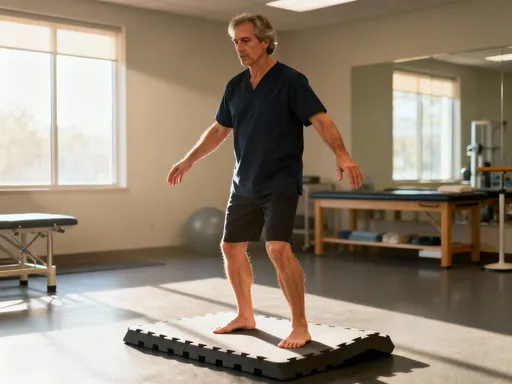
The key is consistency and sustainability. A routine doesn’t need to be intense or time-consuming to be effective. Two to three sessions per week, lasting 20–30 minutes, can yield significant benefits. The focus should be on form, progression, and enjoyment. Choosing activities you like—whether it’s walking, dancing, yoga, or gardening—increases the likelihood of long-term adherence. Additionally, incorporating balance exercises, such as standing on one leg or heel-to-toe walking, can reduce fall risk and improve confidence in movement.
Movement is not just physical—it’s also psychological. Regular activity boosts endorphins, reduces anxiety, and enhances sleep quality. It fosters a sense of capability and control, which is especially valuable during life transitions such as parenting, career changes, or menopause. By treating movement as a non-negotiable part of your health routine, you invest in both your body and mind, ensuring that aging brings greater freedom, not limitation.
Sleep: The Nightly Reboot You Can’t Ignore
Sleep is often the first sacrifice in a busy life. Late-night emails, household chores, or simply unwinding with a show can push bedtime later and later. Yet, skimping on sleep has profound consequences for long-term health, especially as we age. Quality sleep is not a luxury—it is a biological necessity, a nightly reset that supports hormone regulation, immune function, brain detoxification, and emotional resilience. Chronic sleep disruption has been linked to weight gain, increased inflammation, insulin resistance, and a higher risk of cognitive decline.
During deep sleep, the brain clears out metabolic waste through the glymphatic system, a process believed to reduce the buildup of proteins associated with Alzheimer’s disease. Poor sleep disrupts this cleaning cycle, potentially accelerating cognitive aging. At the same time, sleep influences hormones that regulate appetite—leptin, which signals fullness, and ghrelin, which stimulates hunger. When sleep is inadequate, ghrelin rises and leptin falls, leading to increased cravings, particularly for sugary and high-carbohydrate foods. This creates a cycle where poor sleep contributes to weight gain, which in turn can worsen sleep quality, especially in cases of sleep apnea.
Establishing healthy sleep habits is one of the most effective anti-aging strategies available. Consistency is key: going to bed and waking up at the same time every day, even on weekends, helps regulate your internal clock. Managing light exposure also plays a critical role. Natural sunlight in the morning helps set your circadian rhythm, while minimizing blue light from screens in the evening supports melatonin production, the hormone that signals sleep. Dimming lights, using blue light filters, and avoiding screens for at least an hour before bed can make a noticeable difference.
A wind-down routine is equally important. This might include gentle stretching, reading a book, listening to calming music, or practicing mindfulness. The goal is to signal to your body that it’s time to shift from alertness to rest. Avoiding stimulants like caffeine and heavy meals in the evening can also improve sleep quality. For those who struggle with insomnia or frequent waking, cognitive behavioral therapy for insomnia (CBT-I) has been shown to be more effective than medication in the long term.
Treating sleep as a priority, not an afterthought, is a powerful act of self-care. It requires intention and boundary-setting, but the benefits ripple through every aspect of health. When you honor your body’s need for rest, you enhance your energy, mood, and mental clarity, laying the foundation for graceful aging.
Mind and Memory: More Than Just Forgetfulness
Occasional forgetfulness—walking into a room and forgetting why, or blanking on a name—is a normal part of aging. The brain changes over time, and minor lapses do not necessarily indicate decline. However, distinguishing between normal forgetfulness and concerning cognitive patterns is essential. Repeatedly missing appointments, struggling to follow conversations, or becoming disoriented in familiar places may signal a need for further evaluation. The good news is that the brain retains its ability to adapt and grow throughout life, a concept known as neuroplasticity.
Cognitive resilience is not fixed; it is shaped by lifestyle. Diet plays a significant role—nutrient-dense foods rich in antioxidants, omega-3 fatty acids, and B vitamins support brain health. The Mediterranean and MIND diets, which emphasize vegetables, berries, nuts, whole grains, and fatty fish, have been associated with slower cognitive decline. Hydration, too, is crucial; even mild dehydration can impair focus and memory.
Social engagement is another powerful protector of brain health. Meaningful conversations, spending time with loved ones, and participating in community activities stimulate neural connections and reduce the risk of depression, a known risk factor for cognitive decline. Mental challenges—such as learning a new skill, playing an instrument, doing puzzles, or reading complex material—also strengthen the brain by encouraging the formation of new pathways.
Proactive brain maintenance is about more than preventing decline—it’s about enhancing function. Just as physical exercise builds strength, mental exercise builds cognitive reserve, the brain’s ability to cope with damage by using alternative strategies or networks. This reserve can delay the onset of symptoms even in the presence of underlying changes, such as those seen in Alzheimer’s disease. By integrating brain-supportive habits into daily life, you invest in a sharper, more resilient mind for the decades ahead.
Putting It All Together: A Smarter Approach to Long-Term Health
Healthy aging is not about chasing youth, but about optimizing function, vitality, and quality of life at every stage. The body’s whispers—fatigue, slower recovery, joint stiffness, sleep disruptions, memory lapses—are not signs to ignore, but signals to interpret. By synthesizing these clues into a personal health dashboard, you gain clarity and control. This dashboard includes regular check-ups, lab work to track key markers, and honest conversations with healthcare providers who view you as a whole person, not just a collection of symptoms.
The power of prevention lies in small, consistent choices. Choosing a vegetable-rich meal, taking a 20-minute walk, prioritizing sleep, or practicing mindfulness may seem minor in the moment, but over time, they shape your long-term trajectory. These habits support the systems that keep you strong, energized, and mentally sharp. They reflect a mindset shift—from reactive to proactive, from passive to empowered.
Aging well is not about stopping time, but about living well within it. It’s about moving with ease, thinking with clarity, and feeling vibrant in your body. It’s about building a life where health is not an afterthought, but a daily practice. When you listen to your body’s whispers today, you invest in a future of strength, resilience, and grace.