How I Stacked Posture and Calm Into One Daily System
You sit longer than you move. So why does fixing your posture feel so mechanical—and emotional? I discovered that slouching wasn’t just about weak muscles; it mirrored my stress. After months of experimenting, I built a system linking posture correction with emotional balance. Turns out, standing tall isn’t just physical—it’s psychological. This is how I rewired both, one breath at a time. What began as a quest to stop rounding my shoulders evolved into a daily ritual that reshaped not only how I carry myself but how I experience my days. The body and mind are not separate systems—they respond to each other in real time. When we address posture as a physical-only issue, we miss half the picture. The truth is, how you sit, stand, and move reflects your internal state, and in turn, shapes it.
The Hidden Link Between Slouching and Stress
Poor posture is often dismissed as a minor physical flaw—an aesthetic issue or a consequence of long hours at a desk. But science increasingly shows it’s far more than that. Slouching, rounded shoulders, and forward head posture are not only signs of muscular imbalance but also reflections of emotional tension. When stress accumulates, the body responds with protective patterns: tightening the jaw, lifting the shoulders, compressing the spine. These are survival mechanisms rooted in our nervous system. In moments of perceived threat, the body instinctively curls inward, shielding the heart and abdomen. While useful in acute danger, this protective hunching becomes habitual under chronic stress, even when no real danger exists.
Modern life, especially for those managing homes, families, and often careers, creates a perfect storm for this cycle. The constant mental load—planning meals, managing schedules, absorbing others’ emotions—keeps the nervous system in low-grade alert. Over time, this mental burden translates into physical contraction. You may not realize it, but the weight of responsibility often settles in the upper back, neck, and hips. Sitting for long stretches while working or scrolling reinforces these patterns. The body forgets what it feels like to be open, upright, and at ease. This is not simply about comfort; it affects breathing, digestion, energy levels, and even mood regulation.
Consider the common scenario: you finish a long day of caregiving or remote work, and by evening, you’re slumped on the couch, head tilted forward, shoulders caved in. You feel drained, yet restless. This posture restricts lung capacity, reducing oxygen flow to the brain and amplifying fatigue. At the same time, the closed-off position signals the brain that you are in a state of withdrawal or defeat. Research in embodied cognition confirms that posture influences emotional state—people who sit upright report higher self-esteem, more positive mood, and greater resilience to stress than those who slouch. The body doesn’t just follow the mind; it leads it, too. Recognizing this feedback loop is the first step toward real change.
Why Quick Fixes Don’t Last
Most posture correction strategies focus on isolated solutions: wear a back brace, adjust your chair, set a reminder to sit up straight. While these may offer temporary relief, they rarely lead to lasting improvement. A back brace, for example, may force the spine into alignment, but it doesn’t teach the muscles how to support that position on their own. Worse, reliance on external support can weaken the very muscles meant to stabilize the body. Similarly, ergonomic furniture helps, but if the underlying habits and emotional patterns remain unchanged, the body will return to its default posture the moment attention shifts elsewhere.
The problem with these quick fixes is that they treat posture as a mechanical issue, not a behavioral and neurological one. Sustainable posture change requires more than alignment—it requires retraining the nervous system. Every time you slump, you reinforce a neural pathway that associates stress with physical collapse. Over time, this becomes automatic, unconscious. Simply reminding yourself to “sit up” doesn’t overwrite that programming. What’s needed is a system that integrates physical awareness, breath regulation, and emotional recognition—something that addresses the root cause, not just the symptom.
Movement science supports this integrated approach. Studies on motor learning show that lasting change occurs not through isolated corrections but through repeated, mindful practice embedded in daily routines. The brain learns best through consistency, not intensity. A single hour of perfect posture means little if the other 23 hours are spent in tension. Lasting transformation comes from small, frequent inputs—micro-moments of awareness that gradually reshape neural habits. This is why a holistic system, not a gadget or one-time fix, is essential. The goal is not to achieve perfect posture but to cultivate a body that naturally finds balance, even under stress.
Building the Daily Posture-Emotion Loop
After months of trial and error, I developed a simple, four-part system that links physical alignment with emotional regulation. It’s not about grand gestures or lengthy routines. Instead, it’s built on daily micro-practices that, when done consistently, create lasting change. The system consists of four steps: body scan, breath reset, micro-movement, and emotional check-in. Each step takes less than two minutes and can be done anywhere—at your desk, in the kitchen, during a break. What makes this system powerful is its sequence. Each step prepares the body and mind for the next, creating a reinforcing loop that builds awareness, control, and resilience over time.
The first step, the body scan, brings attention to areas of hidden tension. Most of us move through the day unaware of how much we’re holding in our muscles. The scan reconnects you with your physical self. The second step, breath reset, uses diaphragmatic breathing to calm the nervous system and create space in the spine. Breath is the bridge between voluntary and involuntary control—something you can influence to shift both body and mind. The third step, micro-movement, gently activates key postural muscles, improving neuromuscular coordination without strain. Finally, the emotional check-in brings awareness to your internal state, helping you recognize how feelings are stored in the body. Together, these steps form a daily ritual that doesn’t just correct posture—it cultivates presence.
What sets this system apart is its emphasis on integration. It doesn’t ask you to choose between physical health and emotional well-being. Instead, it recognizes that they are inseparable. By practicing all four steps daily, you begin to notice patterns: how anxiety shows up as tight shoulders, how frustration lives in the jaw, how sadness pulls the head forward. Over time, you develop a deeper relationship with your body, one based on listening rather than forcing. This shift—from correction to connection—is what makes the change sustainable. You’re not fighting your body; you’re learning its language.
Body Scanning: Tuning Into Tension
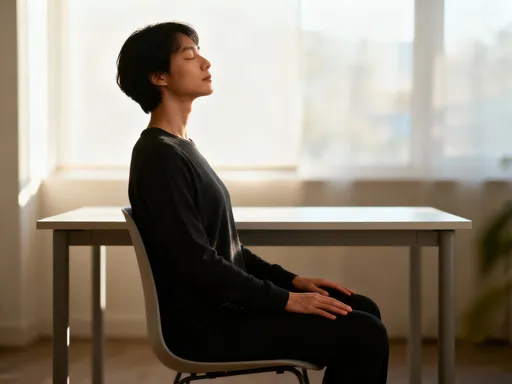
Body scanning is a practice that blends mindfulness with anatomical awareness. It’s about systematically checking in with different parts of the body to detect areas of tension, often before they become painful. The scan takes just 90 seconds and can be done seated or standing. Begin at the feet and slowly move upward—notice the contact with the floor, the alignment of the ankles, the position of the pelvis. As you move into the torso, check whether the lower back is arched or flattened, whether the ribs are flared or compressed. Move to the shoulders: are they shrugged toward the ears? Is one higher than the other? Finally, scan the neck and jaw—common reservoirs of stress.
What makes body scanning powerful is its ability to reveal unconscious habits. Many people carry chronic tension in the jaw, shoulders, or hips without realizing it. This tension is often linked to emotional suppression. For example, clenching the jaw can be a physical manifestation of unspoken frustration or the need to stay in control. Raised shoulders may reflect a long-standing habit of bracing against pressure. Tight hips can signal emotional rigidity or resistance to change. When you bring awareness to these areas, you begin to see them not as isolated physical issues but as expressions of your inner world.
To integrate body scanning into daily life, pair it with routine transitions. Do a quick scan when you sit down at your desk, before starting the car, or while waiting for the kettle to boil. These moments of pause create space for awareness. Over time, the scan becomes automatic, like checking the rearview mirror before driving. You don’t need to fix anything in that moment—just notice. That simple act of recognition begins to weaken the grip of habitual tension. Studies in somatic psychology show that naming and locating physical sensations reduces their intensity. The body responds to attention: when you acknowledge tension, it often begins to release, even without deliberate effort. This is the foundation of change—not force, but awareness.
Breath as the Posture-Emotion Bridge
Breath is the most direct link between the body and the nervous system. It’s unique in that it operates automatically, yet can be consciously controlled. This dual nature makes it a powerful tool for influencing both posture and emotional state. Shallow, rapid chest breathing—a common pattern under stress—activates the sympathetic nervous system, increasing heart rate and muscle tension. It also pulls the shoulders forward and collapses the rib cage, reinforcing poor posture. In contrast, deep diaphragmatic breathing engages the parasympathetic nervous system, promoting relaxation, improving oxygen flow, and supporting spinal alignment.
The way you breathe directly affects your posture. When you inhale deeply into the belly, the diaphragm descends, creating intra-abdominal pressure that stabilizes the lower spine. The ribs expand outward, encouraging an upright chest. The shoulders naturally lower. This breath pattern supports a neutral spine and open posture. Conversely, when you breathe only into the upper chest, the accessory neck muscles take over, pulling the head forward and tightening the upper back. Over time, this contributes to the classic “tech neck” posture. The good news is that you can use breath to reverse this pattern.
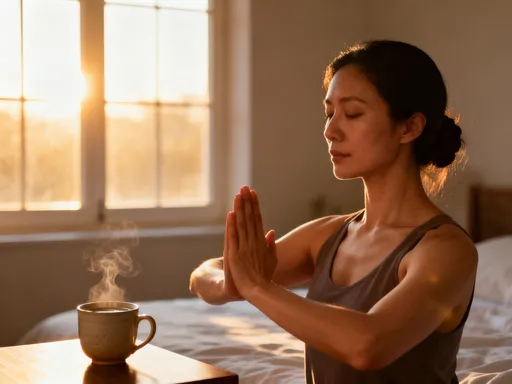
A simple, effective technique is the 4-6-8 breath: inhale for four counts, hold for six, exhale slowly for eight. This extended exhale activates the vagus nerve, the main pathway of the parasympathetic nervous system, triggering a relaxation response. Practicing this for just two minutes can reduce heart rate, lower blood pressure, and ease muscle tension. I began using this breath during work breaks and noticed a significant decrease in upper back tightness within weeks. More importantly, I felt calmer, more centered. The breath didn’t just change my posture—it changed my relationship to stress. It became a signal that I could regulate my state, even in the middle of a demanding day.
Micro-Movements That Stick
One of the biggest obstacles to posture improvement is the belief that it requires long, dedicated exercise sessions. The truth is, brief, frequent movements are far more effective than occasional intense workouts. The nervous system learns through repetition, not duration. Micro-movements—short, gentle actions done multiple times a day—retrain neuromuscular patterns without fatigue. They fit seamlessly into daily life and are more likely to become habits. The key is consistency, not effort.
Three micro-movements have been particularly effective: chin tucks, scapular glides, and pelvic tilts. The chin tuck counters forward head posture, a common issue from screen use. To do it, gently draw the chin straight back, creating a “double chin” without tilting the head. Hold for 15–20 seconds. This strengthens the deep neck flexors and reduces strain on the upper back. Scapular glides improve shoulder positioning. Sit or stand with arms at your sides, then gently squeeze the shoulder blades together and down, as if tucking them into back pockets. This activates the mid-back muscles that support an upright posture. Finally, the pelvic tilt helps retrain core engagement. Lie on your back with knees bent, then gently press the lower back into the floor by tilting the pelvis upward. This movement reconnects you with the deep abdominal muscles that stabilize the spine.
Doing each of these for 20 seconds every hour creates cumulative benefits. It’s not about building strength in the traditional sense—it’s about improving communication between the brain and muscles. Over time, the body begins to default to better alignment. What’s more, these small actions build emotional resilience. Each time you pause to do a micro-movement, you’re making a quiet commitment to yourself. These tiny wins reinforce self-efficacy—the belief that you can influence your well-being. That confidence spills over into other areas of life, creating a positive feedback loop. You’re not just standing taller; you’re feeling more capable.
Emotional Check-Ins: The Missing Piece
Posture correction often fails because it ignores the emotional dimension. You can adjust your spine all day, but if stress remains unaddressed, the body will return to its protective patterns. This is where the emotional check-in becomes essential. It’s a simple practice: pause and ask two questions—“How do I feel?” and “What’s my body holding?” You don’t need to journal or analyze deeply. Just name the emotion—frustration, worry, fatigue—and notice where it shows up physically. Is your chest tight? Jaw clenched? Shoulders heavy?
Naming emotions reduces their power. Research in affective neuroscience shows that labeling feelings decreases activity in the amygdala, the brain’s fear center. This simple act creates psychological distance, making emotions easier to manage. When you connect an emotion to a physical sensation, you begin to see your body as a source of information, not just a problem to fix. For example, realizing that your slumped posture follows a stressful phone call helps you respond with compassion, not criticism. Instead of thinking, “I should sit up straighter,” you might think, “I’m carrying tension from that conversation. Let me breathe and reset.”
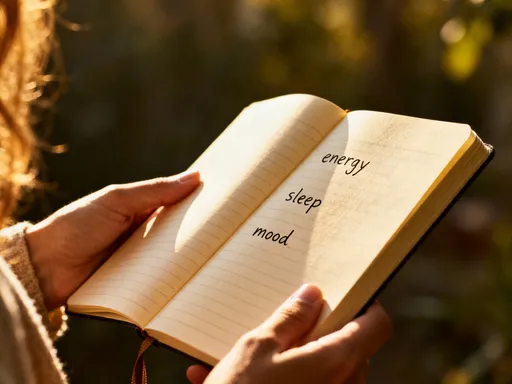
To deepen this practice, consider brief journaling. A few lines each evening can help track patterns: what triggered tension, how you responded, what helped. Over time, you’ll see connections between emotional events and physical states. This awareness allows for earlier intervention. You might notice your shoulders rising during a frustrating task and choose to pause, breathe, and adjust before the tension becomes chronic. The emotional check-in transforms posture work from a mechanical task into a form of self-care. It’s not about perfection—it’s about presence.
Sustaining the System: From Effort to Habit
Like any new behavior, this system requires time to become automatic. The goal is not to perform it perfectly but to practice it consistently. Habit formation research shows that cues, routines, and rewards are key. Start by anchoring the practice to existing habits—after checking email, before meals, during a commercial break. Use environmental triggers: set a phone reminder, place a sticky note on your monitor, or use a keyboard sticker with a breathing icon. These cues reduce reliance on willpower, making the routine easier to maintain.
It’s also important to redefine success. Don’t measure progress by how straight you sit but by how often you pause to check in. Some days, you’ll forget. Others, you’ll only manage one step. That’s normal. What matters is returning to the practice without judgment. Perfectionism is the enemy of habit. Progress, not perfection, builds lasting change. Celebrate small victories—the moment you catch yourself slumping and adjust, the breath that calms you before a difficult conversation, the awareness that surfaces during a body scan.
Ultimately, this system is not about fixing flaws. It’s about making a daily commitment to yourself. In the midst of caregiving, responsibilities, and constant demands, taking two minutes to breathe, move, and check in is an act of self-respect. It says, “I matter. My well-being matters.” Over time, this practice reshapes not only posture but identity. You begin to see yourself as someone who listens to her body, who responds to stress with awareness, who stands tall—not because she has to, but because she chooses to. That’s the real transformation. It’s not just about how you sit. It’s about how you live.